
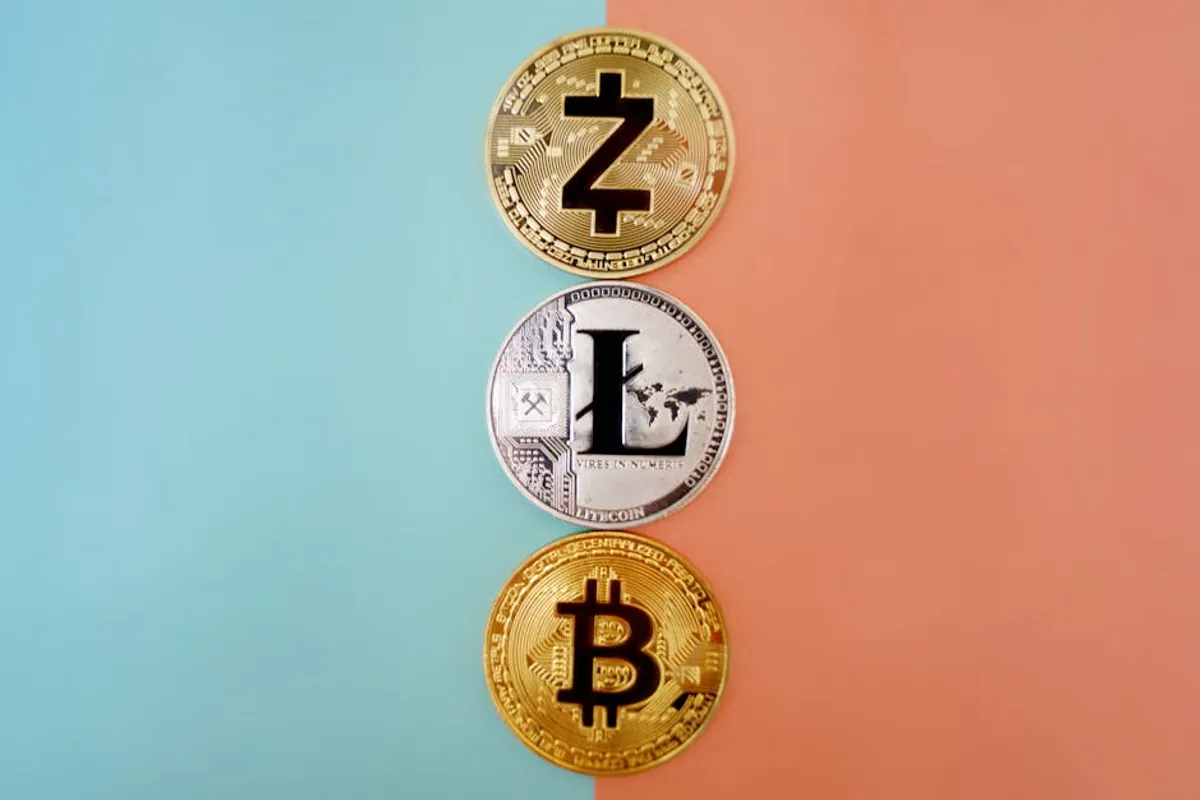
Choosing a cryptocurrency exchange requires a methodical evaluation of platforms designed to facilitate asset trading. The decision impacts transaction costs, asset accessibility, security of funds, and overall user experience. Understanding how to compare these platforms effectively means focusing on core operational aspects and aligning them with individual trading objectives, whether for long-term holding, active day trading, or simply converting fiat to digital assets.
Core Comparison Metrics
Security Protocols and Regulatory Compliance
The security framework of an exchange is paramount. Evaluate the measures in place to protect user assets and data. This includes cold storage for a significant portion of digital assets, which isolates them from online threats. Look for evidence of two-factor authentication (2FA) options, encryption for data in transit and at rest, and regular security audits. Regulatory compliance is another critical factor. Platforms operating under established financial regulations often provide a layer of consumer protection through Know Your Customer (KYC) and Anti-Money Laundering (AML) policies. Some jurisdictions also mandate specific insurance coverages for digital assets held by the exchange, offering an additional safeguard against certain types of loss.
Best for: Users prioritizing asset protection and adherence to legal frameworks.
Fee Structures and Cost Efficiency
Exchange fees can significantly impact profitability, especially for frequent traders. These typically include trading fees, deposit fees, and withdrawal fees. Trading fees are often structured as 'maker' and 'taker' fees, where makers (those adding liquidity to the order book) pay lower fees than takers (those removing liquidity). Many exchanges implement tiered fee structures that decrease as trading volume increases. Network fees, which are blockchain transaction costs, are separate and often passed directly to the user. Always examine the complete fee schedule, including any hidden costs for specific fiat on-ramps or off-ramps, to calculate the true cost per transaction.
Best for: Active traders and those making frequent transactions where small fee differences accumulate.
Asset Availability and Market Liquidity
The range of cryptocurrencies offered directly impacts diversification potential. Some exchanges focus on major assets like Bitcoin and Ethereum, while others list a broader spectrum of altcoins and emerging projects. Beyond quantity, consider the liquidity of listed assets. High liquidity, indicated by tight bid-ask spreads and substantial trading volume, ensures orders are executed quickly at fair market prices, minimizing slippage. Low liquidity can lead to significant price discrepancies and delays in order fulfillment, particularly for larger trades. If you're interested in new opportunities, you might want to explore how crypto airdrops can be found on exchanges listing emerging projects.
Best for: Investors seeking diverse portfolio options and efficient trade execution.
User Experience and Platform Functionality
The interface and overall user experience should align with your technical comfort level. Beginner-friendly platforms often feature simplified dashboards, guided trading processes, and clear explanations. Advanced traders may require sophisticated charting tools, multiple order types (limit, stop-limit, market), and customizable layouts. Mobile application availability and functionality are also important for trading on the go. Assess the responsiveness and stability of the platform, especially during periods of high market volatility, as system outages can lead to missed opportunities or forced liquidations.
Best for: New users requiring intuitive navigation or experienced traders needing robust analytical tools.
Deposit, Withdrawal, and Fiat On-Ramps
Evaluate the available methods for depositing and withdrawing both fiat currency and cryptocurrencies. Common fiat options include bank transfers (ACH, wire), credit/debit card payments, and sometimes third-party payment processors. Each method carries different fees, limits, and processing times. For crypto transfers, assess the speed and associated network fees. Understand any daily, weekly, or monthly limits imposed on deposits and withdrawals, as these can affect capital flow and trading strategies. Verify the ease of converting digital assets back into traditional currency.
Best for: Users needing flexible and cost-effective ways to move funds into and out of the exchange.
Advanced Considerations for Active Traders
Trading Tools and Order Types
For those engaged in more complex trading strategies, the availability of advanced order types extends beyond basic market and limit orders. This can include stop-loss, take-profit, trailing stop, and one-cancels-the-other (OCO) orders. Access to margin trading, futures contracts, or options markets provides opportunities for leveraged positions, though these come with significantly higher risk. API access for algorithmic trading is another feature for highly active or institutional traders. Comprehensive charting packages with technical indicators are essential for informed decision-making.
Best for: Professional traders and those employing sophisticated strategies.
Staking, Lending, and Other Earn Programs
Beyond active trading, some exchanges offer ways to earn passive income on held assets. Staking allows users to lock up certain cryptocurrencies to support network operations and receive rewards. Lending programs enable users to lend out their crypto to borrowers for interest. Other programs might include yield farming, liquidity provision, or participation in launchpads for new token offerings. Understand the risks associated with these programs, including impermanent loss in liquidity pools or smart contract vulnerabilities, and the lock-up periods involved. Understanding new token offerings is key, as exchanges often provide early access to these via launchpads.
Best for: Long-term holders looking to generate passive income from their digital assets.
Pro Tip: Before committing significant capital to any exchange, conduct a small test transaction—a minimal deposit, a small trade, and a withdrawal—to personally verify the process, fees, and processing times. This practical check can reveal operational nuances not always evident in published documentation.
Evaluating Support and Geographic Reach
Customer Support Accessibility
Reliable customer support is crucial, especially when dealing with financial assets. Assess the availability of support channels (live chat, email, phone), their operating hours (24/7 vs. business hours), and typical response times. A comprehensive knowledge base or FAQ section can also be invaluable for self-service issue resolution. Look for reviews or community feedback regarding the effectiveness and helpfulness of the support team.
Best for: All users; critical for beginners or those trading large sums.
Regional Availability and Restrictions
Cryptocurrency regulations vary significantly by country and even by state or province. An exchange available globally may have specific features or services restricted in certain regions due to local laws. Always verify that the exchange operates legally in your jurisdiction and that all the features you intend to use are accessible to you. Geographic restrictions can impact everything from fiat currency support to specific trading pairs or advanced functionalities.
Best for: Users ensuring full legal compliance and access to all desired features in their location.
Making an Informed Choice
The optimal cryptocurrency exchange is not a universal solution but rather a platform that best aligns with your individual priorities, risk tolerance, and trading style. By systematically evaluating security, fee structures, asset selection, user experience, and support, you can make a decision that supports your financial objectives. Prioritize security above all else, then balance cost efficiency with the features and assets most relevant to your strategy. Regularly review your chosen platform as market conditions and personal needs evolve.
Frequently Asked Questions
What is the most important factor when choosing a crypto exchange?
Security is the most critical factor. Prioritize exchanges with robust security protocols, cold storage, 2FA, and a strong regulatory compliance record to protect your assets from theft or loss.
How do maker and taker fees differ?
Maker fees are paid by users who add liquidity to the order book by placing orders that are not immediately matched (e.g., a limit order below market price). Taker fees are paid by users who remove liquidity by placing orders that are immediately matched against existing orders (e.g., a market order).
Can I use multiple cryptocurrency exchanges?
Yes, many users utilize multiple exchanges to access different assets, leverage specific features, or benefit from varying fee structures. This approach allows for diversification and optimized trading strategies across platforms.
What does "liquidity" mean in the context of crypto exchanges?
Liquidity refers to how easily an asset can be bought or sold without significantly affecting its price. High liquidity on an exchange means there are many buyers and sellers, leading to tighter bid-ask spreads and more efficient trade execution.