
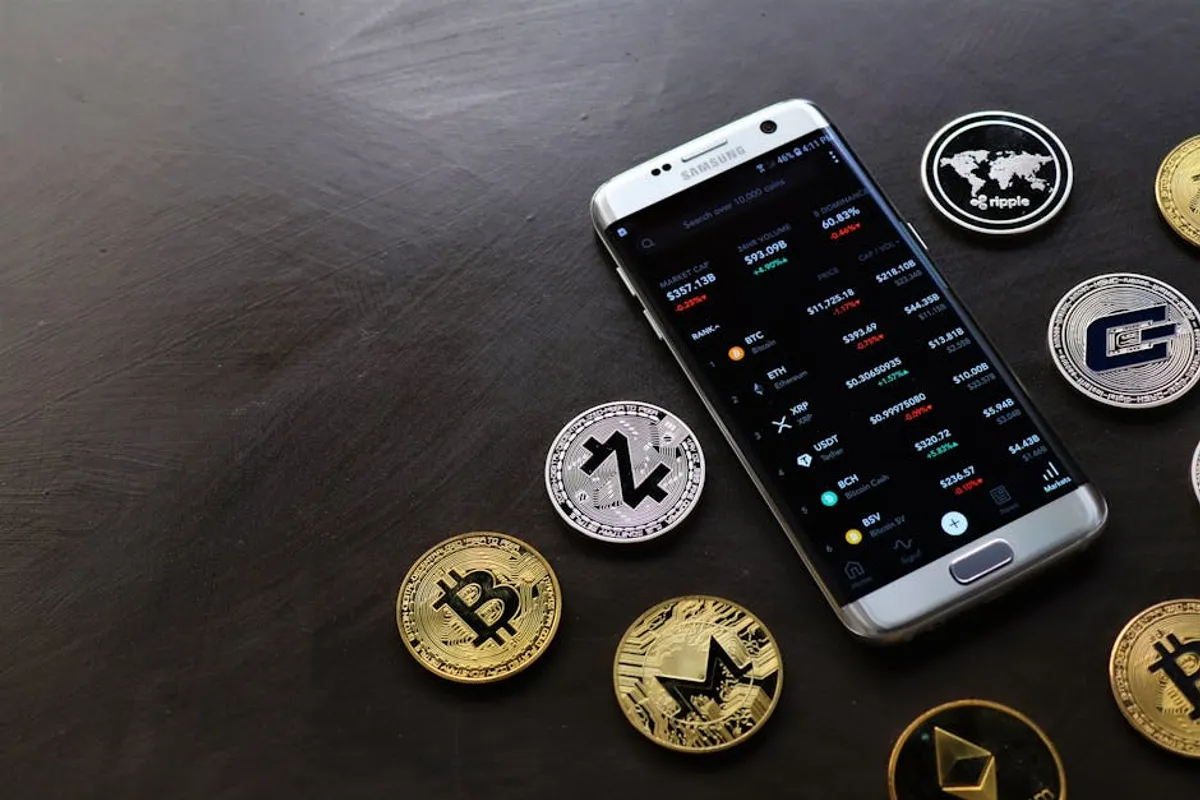
Tracking a crypto portfolio extends beyond simply knowing current balances; it involves understanding performance, managing risk, and maintaining compliance. The right tracking method provides a clear, consolidated view of your digital assets across various exchanges and wallets, enabling data-driven decisions rather than speculative guesses. Selecting an effective solution depends on your portfolio's complexity, the frequency of your transactions, and your comfort level with manual data management versus automated synchronization.
Why Accurate Portfolio Tracking Matters
Precision in monitoring your crypto assets offers tangible benefits, transforming raw transaction data into actionable insights for strategic management.
Informed Decision-Making
Accurate tracking provides a real-time overview of your asset allocation, profit and loss, and overall portfolio health. This data is crucial for identifying underperforming assets, rebalancing your holdings to align with risk tolerance, and capitalizing on market movements. Without a clear picture, decisions are often reactive and less effective.
Tax Compliance and Reporting
The regulatory landscape for cryptocurrencies is evolving, with tax authorities requiring detailed records of transactions, cost bases, and capital gains or losses. A robust tracking system simplifies the complex process of calculating taxable events, generating necessary reports, and ensuring compliance, thereby mitigating potential legal or financial penalties.
Risk Management
Understanding your exposure to different assets, sectors, or market conditions is fundamental to risk management. Tracking solutions can highlight concentration risks, identify potential liquidity issues, and provide historical performance data that informs future investment strategies. This proactive approach helps protect capital during volatile market periods.
Key Features to Look for in a Tracking Solution
When evaluating options for portfolio tracking, certain features distinguish effective solutions from basic ones.
Comprehensive Asset Support
An ideal tracker supports a wide range of cryptocurrencies, including emerging altcoins and stablecoins, across various blockchains. It should also accommodate different asset types, such as NFTs or DeFi positions, if those are part of your portfolio.
Real-time Data and Price Feeds
Up-to-the-minute pricing data from multiple exchanges ensures the accuracy of your portfolio valuation. Solutions that offer customizable alerts for price changes or significant market movements provide an additional layer of utility for timely decision-making.
Transaction Import and Sync Options
Manual entry is prone to errors and time-consuming. Look for solutions that offer:
- API integrations with major exchanges for automated transaction import.
- Wallet address tracking for on-chain transactions.
- CSV import functionality for historical data or unsupported platforms.
- Automatic synchronization to keep your portfolio updated without constant manual intervention.
Performance Metrics and Analytics
Beyond simple balance tracking, effective tools offer detailed analytics. This includes metrics like realized and unrealized gains/losses, average cost basis, portfolio allocation by asset or sector, and historical performance charts. Customizable dashboards allow you to focus on the data most relevant to your strategy.
Security and Privacy
Given the sensitive nature of financial data, prioritize solutions with strong security protocols, such as two-factor authentication (2FA), encryption, and a clear privacy policy regarding data handling. Opt for non-custodial options where possible, meaning the platform never holds your private keys.
Common Methods for Tracking Your Crypto Portfolio
Various approaches exist, each with distinct advantages and drawbacks, catering to different levels of portfolio complexity and user preferences.
Manual Spreadsheet Tracking
Best for: Small portfolios, infrequent traders, those prioritizing full data control without third-party reliance.
This method involves using a spreadsheet program to log every transaction, including purchase price, quantity, date, and fees. You manually update current prices to calculate portfolio value. It offers complete control over your data and is free to implement.
Considerations: Highly time-consuming, prone to human error, lacks real-time updates without complex integrations, and offers limited analytical capabilities.
Dedicated Portfolio Trackers (Web/Mobile Apps)
Best for: Most investors seeking automated tracking, comprehensive analytics, and multi-platform support.
These specialized platforms are designed specifically for crypto portfolio management. They typically offer API integrations with exchanges and wallet addresses for automated data import, real-time price feeds, and advanced analytical tools. Many provide mobile apps for on-the-go monitoring. This enables users to practice reading market trends and charts on the go through mobile apps.
Considerations: May involve subscription fees for advanced features, requires granting API read-only access (though typically secure), and data privacy policies should be reviewed carefully.
Exchange-Integrated Wallets/Dashboards
Best for: Users who primarily trade and hold assets on a single exchange or a limited number of platforms.
Most cryptocurrency exchanges provide a dashboard or wallet interface that shows your holdings and basic performance metrics for assets held on that specific platform. This offers a convenient, integrated view for assets within that ecosystem.
Considerations: Limited to assets held on that exchange, lacks a consolidated view across multiple platforms, and analytical tools are often basic compared to dedicated trackers.
Hardware Wallet Software (Limited Scope)
Best for: Cold storage users who need to view balances of assets held securely offline.
Hardware wallets come with companion software that allows users to view their balances for assets stored on the device. While secure for storage, their tracking capabilities are generally limited to displaying current holdings and may not offer extensive transaction history or performance analytics.
Considerations: Primarily for security and storage, not comprehensive portfolio management. Does not track assets held on exchanges or other wallets.
Pro Tip: Regardless of your chosen tracking method, enable two-factor authentication (2FA) on all exchange accounts and tracking platforms. Additionally, regularly back up any manual spreadsheets or export data from automated trackers to ensure you have a redundant copy of your transaction history.
Optimizing Your Tracking Strategy
Beyond selecting a tool, consistent practices enhance the utility of your portfolio tracking.
Regular Data Entry and Reconciliation
For manual methods, consistent data entry is paramount. For automated systems, periodically reconcile your tracker's data against your exchange statements or wallet explorers to catch any discrepancies. This ensures the accuracy of your records, especially important for tax purposes.
Utilizing Analytics for Strategy Adjustment
Don't just view your portfolio; analyze it. Use the performance metrics to understand which assets are driving gains or losses, identify trends, and evaluate your overall investment thesis. This data should inform decisions about rebalancing, taking profits, or cutting losses.
Understanding Tax Implications
Familiarize yourself with the tax regulations in your jurisdiction regarding cryptocurrency. Your tracking system should ideally facilitate the calculation of capital gains/losses, ordinary income from staking or mining, and other taxable events. Many dedicated trackers offer specific tax reporting features or integrations with tax software.
Selecting the Right Tracking Method for Your Needs
The optimal tracking solution aligns with your specific requirements. If you manage a small, static portfolio, a well-maintained spreadsheet might suffice. For active traders or those with diverse holdings across multiple platforms, a dedicated portfolio tracker offers the automation and analytical depth required. Exchange dashboards are suitable for users primarily focused on assets within a single ecosystem. Prioritize solutions that offer the right balance of automation, security, and analytical power for your investment style and compliance needs.
Frequently Asked Questions
Q: How often should I update my crypto portfolio tracker?
A: For manual spreadsheets, update after every transaction. For automated trackers, they typically update in real-time or every few minutes. However, it's good practice to log in and review your portfolio daily or weekly, especially during volatile market periods, to stay informed.
Q: Can I track NFTs and DeFi positions with these tools?
A: Many advanced dedicated portfolio trackers are expanding their capabilities to include NFTs and DeFi protocols. Look for solutions that specifically advertise support for these asset types and integrate with relevant blockchains or platforms.
Q: Are free crypto portfolio trackers reliable?
A: Some free trackers offer basic functionality and can be reliable for simple portfolios. However, they often come with limitations such as fewer exchange integrations, limited analytical tools, or a higher reliance on manual data entry. Paid versions or dedicated solutions typically provide more comprehensive features and support.
Q: What is the most secure way to track my crypto portfolio?
A: The most secure method involves using a dedicated tracker that supports API read-only access (meaning it cannot initiate trades) and does not require you to input your private keys. Combining this with strong 2FA on all accounts and regular data backups provides robust security.