Navigating the volatile landscape of cryptocurrency prices demands a structured approach, especially for assets like Solana (SOL) that have demonstrated both explosive growth and significant corrections. Predicting Solana's future price involves dissecting a complex interplay of technological innovation, market sentiment, macroeconomic forces, and on-chain activity. This guide outlines the critical factors and analytical methodologies necessary to form a reasoned Solana price outlook, moving beyond speculation to data-driven assessment.
Understanding Solana's Core Value Proposition
Solana distinguishes itself through a high-throughput, low-latency blockchain designed for decentralized applications (dApps) and crypto projects. Its architecture, featuring a Proof-of-History (PoH) consensus mechanism alongside Proof-of-Stake (PoS), aims to solve the blockchain trilemma by delivering scalability without sacrificing decentralization or security. This technological foundation underpins its utility and, consequently, its long-term value potential. Key aspects include:
- Transaction Speed and Cost: Solana boasts significantly faster transaction finality and lower fees compared to many competitors, making it attractive for high-frequency applications like decentralized exchanges (DEXs) and gaming.
- Ecosystem Growth: The network supports a rapidly expanding ecosystem of DeFi protocols, NFT marketplaces, and Web3 games. The volume and quality of projects building on Solana directly influence demand for the SOL token.
- Developer Activity: A vibrant developer community indicates ongoing innovation and network resilience. Metrics like active developers, code commits, and new project launches serve as leading indicators for future growth.
Key Factors Influencing Solana's Price Trajectory
Solana's price is not determined in isolation. A multitude of external and internal factors exert pressure, shaping its market valuation:
Macroeconomic Influences and Market Sentiment
Broader economic conditions, such as inflation rates, interest rate policies, and global liquidity, significantly impact investor appetite for risk assets like cryptocurrencies. Solana's price often correlates with the overall crypto market, particularly Bitcoin's performance. General market sentiment, driven by news cycles, social media trends, and investor confidence, can trigger rapid price movements.
Regulatory Developments
Uncertainty or clarity in cryptocurrency regulation across major jurisdictions can profoundly affect Solana's perceived risk and investment appeal. Favorable regulatory frameworks can foster institutional adoption, while restrictive policies may induce selling pressure.
Technological Advancements and Network Upgrades
Solana's roadmap includes continuous improvements to its core protocol. Major upgrades, such as the implementation of Firedancer (a new validator client), promise enhanced network stability and throughput. Successful execution of these developments can boost confidence and attract more users and projects, positively impacting price. Conversely, network outages or security vulnerabilities can lead to significant price depreciation.
Competitive Landscape
Solana operates within a highly competitive layer-1 blockchain space, vying with platforms like Ethereum, Avalanche, and Polygon. Its ability to maintain a competitive edge in terms of technology, ecosystem size, and developer mindshare is crucial for sustained growth. Performance comparisons against these rivals often influence investor decisions.
Tokenomics and Supply Dynamics
The supply schedule, staking mechanisms, and inflation rate of SOL tokens are fundamental. A transparent and well-managed tokenomics model, balancing incentives for network participants with long-term value preservation, is critical. High staking participation can reduce circulating supply, potentially supporting price, while significant unlock events can introduce selling pressure.
Methods for Solana Price Prediction
A robust prediction framework typically integrates multiple analytical approaches:
Technical Analysis (TA)
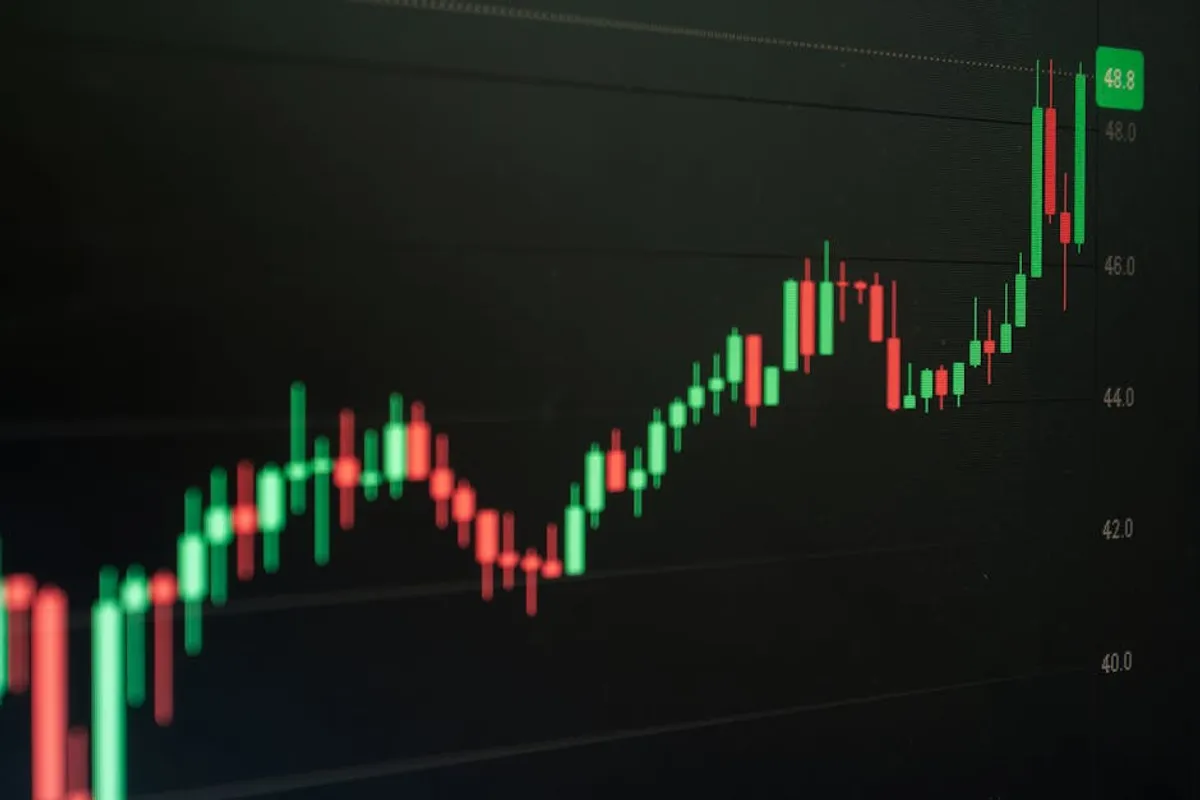
TA involves studying historical price charts and trading volumes to identify patterns and predict future price movements. Common tools include:
- Support and Resistance Levels: Identifying price points where buying or selling pressure historically emerges.
- Trend Lines and Channels: Visualizing the direction and strength of price trends.
- Moving Averages: Smoothing price data to identify trends and potential reversals (e.g., 50-day, 200-day Simple Moving Averages).
- Oscillators: Indicators like the Relative Strength Index (RSI) or Moving Average Convergence Divergence (MACD) to gauge momentum and overbought/oversold conditions.
Best for: Short-to-medium term price action and identifying entry/exit points based on market psychology.
Fundamental Analysis (FA)
FA assesses the intrinsic value of Solana by examining underlying factors related to its technology, ecosystem, and market position. Key metrics include:
- On-Chain Data: Analyzing network activity such as active addresses, transaction count, total value locked (TVL) in Solana DeFi, and NFT sales volume. Growth in these metrics suggests increasing utility and demand.
- Project Development and Roadmap: Evaluating the progress of core development, new features, partnerships, and the overall health of the Solana ecosystem.
- Team and Backers: Assessing the experience and reputation of the Solana Labs team and its institutional investors.
Best for: Long-term valuation and understanding the intrinsic growth potential of the Solana network.
Sentiment Analysis
This method gauges the prevailing mood of the market towards Solana. It involves monitoring social media discussions, news headlines, and investor surveys to identify shifts in sentiment that could precede price changes. Tools often include natural language processing (NLP) to analyze textual data for positive, negative, or neutral tones.
Best for: Identifying potential short-term volatility driven by emotional responses and market narratives.
Pro Tip: Cryptocurrency price predictions are inherently speculative due to extreme volatility and rapid market evolution. Always approach predictions with a robust risk management strategy, acknowledging that past performance is not indicative of future results. Diversifying your analytical inputs and maintaining a long-term perspective can mitigate some of the inherent uncertainties.
Structuring Your Solana Price Outlook
An effective Solana price outlook integrates insights from technical, fundamental, and sentiment analysis. Begin by establishing a long-term fundamental thesis for Solana based on its technological advancements, ecosystem growth, and competitive standing. Then, use technical analysis to identify potential entry or exit points within that broader trend, considering various timeframes. Finally, monitor market sentiment to understand short-term pressures and potential catalysts.
It is crucial to remain adaptable. The crypto market is dynamic, and new information, technological breakthroughs, or regulatory changes can rapidly alter the landscape. Regularly revisit your assumptions and adjust your outlook based on evolving data and market conditions.
Frequently Asked Questions
What are the primary risks associated with Solana?
Key risks include network stability issues (past outages), intense competition from other layer-1 blockchains, potential regulatory crackdowns, and the general market volatility inherent to cryptocurrencies. Its relatively centralized validator set compared to some rivals also presents a decentralization risk.
How does Solana's scalability impact its price potential?
Solana's high transaction throughput and low fees position it as a strong contender for mass adoption of decentralized applications. If it continues to attract significant developer talent and user activity, its scalability could drive increased demand for the SOL token, positively impacting its long-term price potential.
Can macroeconomic factors influence Solana's price independently of Bitcoin?
While Solana often correlates with Bitcoin and the broader crypto market, significant macroeconomic shifts (e.g., central bank interest rate decisions, global economic recessions) can influence investor risk appetite across all asset classes, including Solana, sometimes with a more pronounced effect on altcoins due to their higher beta.
Where can I find reliable data for Solana analysis?
Reliable data sources include official Solana Foundation reports, blockchain explorers (e.g., Solscan), on-chain analytics platforms (e.g., DeFi Llama for TVL, Messari for research), reputable crypto news outlets, and financial data providers that track cryptocurrency markets.