
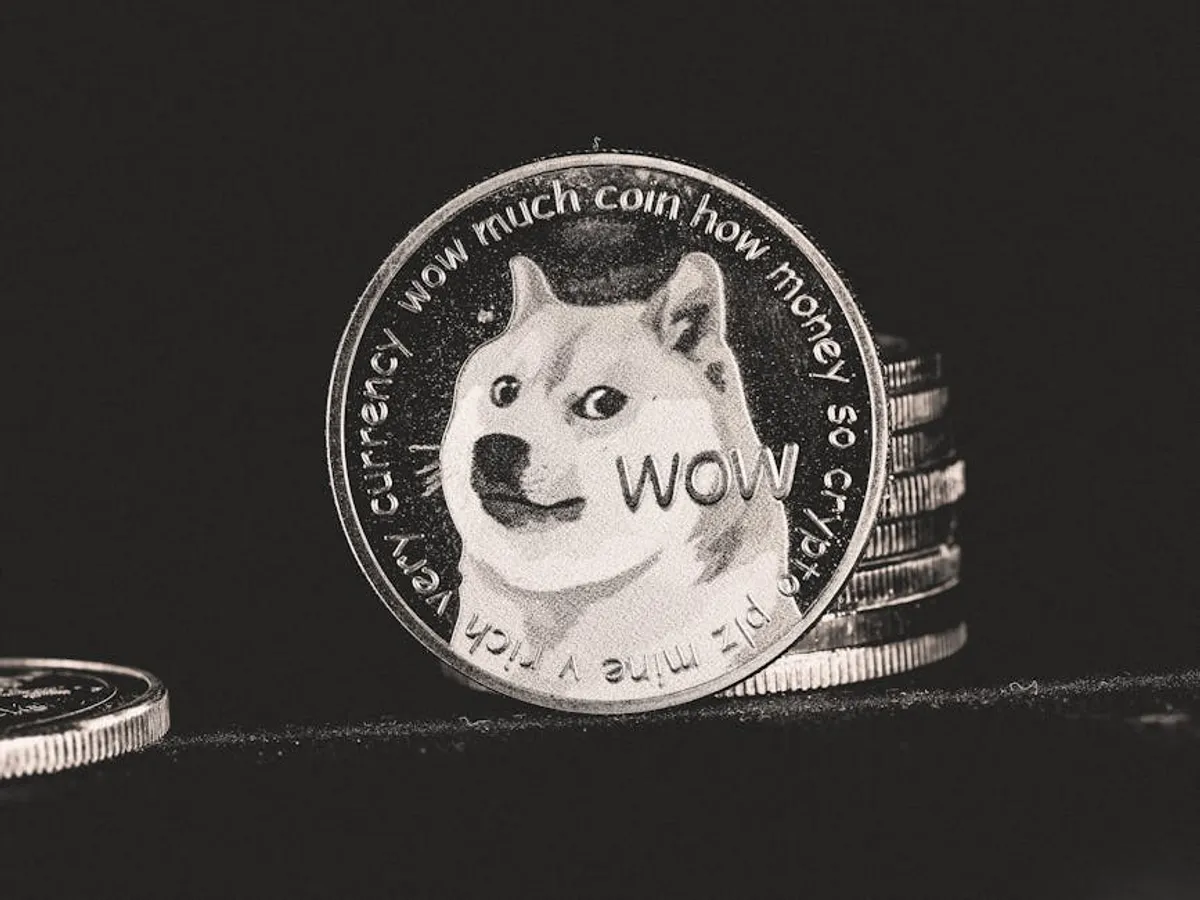
Meme coins represent a unique and often volatile segment within the broader cryptocurrency market, distinct from established digital assets like Bitcoin or Ethereum. Unlike cryptocurrencies designed to solve specific technical problems or power decentralized applications, meme coins are primarily driven by internet culture, viral trends, and community enthusiasm. For marketers, site owners, and SEO professionals tracking digital asset trends, understanding the fundamental characteristics and market dynamics of meme coins is crucial, not for investment advice, but to comprehend a significant, albeit speculative, force shaping public perception and engagement within the crypto space.
Origins and Evolution of Meme Coins
The concept of a meme coin began largely as a joke or satire. Dogecoin, launched in 2013, was created as a lighthearted alternative to Bitcoin, featuring the Shiba Inu dog from the "Doge" internet meme as its mascot. Its initial intent was to poke fun at the speculative frenzy surrounding cryptocurrencies, yet it unexpectedly garnered a passionate community. This community-driven spirit, combined with low transaction fees and a large supply, fostered an environment where Dogecoin gained traction, particularly for online tipping and charitable causes.
Early Examples and Community Influence
Dogecoin's unexpected success demonstrated the power of collective online sentiment. Its value, initially negligible, surged periodically due to social media campaigns, celebrity endorsements, and grassroots marketing efforts. This laid the groundwork for subsequent meme coins. Projects like Shiba Inu, launched in 2020, explicitly positioned themselves as "Dogecoin killers," aiming to build an ecosystem around their token while leveraging similar community-centric strategies and viral marketing. These early examples solidified the model: a recognizable, often humorous, theme combined with strong community engagement drives visibility and, potentially, market capitalization.
Market Dynamics and Volatility
A defining feature of meme coins is their extreme price volatility. Lacking the underlying technological innovation or established use cases of many traditional cryptocurrencies, their value is predominantly influenced by social media sentiment, speculative trading, and the "fear of missing out" (FOMO). News, tweets, or even fleeting internet trends can trigger rapid price swings, making them attractive to traders seeking quick gains but also exposing participants to significant risk. This dynamic contrasts sharply with assets whose value is often tied to network utility, development milestones, or adoption rates.
Key Characteristics of Meme Coins
Meme coins share several common traits that differentiate them from other digital assets.
Community-Driven Development and Marketing
The success of a meme coin hinges heavily on its community. These projects often rely on decentralized, grassroots marketing efforts, with community members actively promoting the coin on social media platforms, forums, and chat groups. This collective enthusiasm can create powerful network effects, amplifying awareness and driving adoption far more rapidly than traditional marketing campaigns. The narrative and perceived cultural relevance are often more important than technical whitepapers or roadmaps.
Scarcity vs. Abundance
Unlike Bitcoin's capped supply of 21 million, many meme coins feature extremely large or even inflationary supplies. Dogecoin, for instance, has an effectively infinite supply, with new coins minted regularly. Shiba Inu also has an enormous initial supply, though mechanisms like token burning can introduce scarcity. This abundance means individual tokens are priced very low, often fractions of a cent, which can create psychological appeal for new entrants who perceive a higher potential for exponential growth from a low base.
Utility and Speculation
Initially, most meme coins are created with little to no inherent utility beyond being a tradable asset. Their primary function is speculative. However, as some meme coins gain traction, their communities or developers may attempt to build ecosystems around them, introducing features like decentralized exchanges, NFTs, or payment integrations. Despite these efforts, the speculative element often remains the dominant driver of their market value and trading activity.
How Meme Coins Differ from Traditional Cryptocurrencies
The distinction between meme coins and traditional cryptocurrencies lies primarily in their foundational intent and value proposition. Traditional cryptocurrencies like Bitcoin aim to be decentralized stores of value or payment systems, while Ethereum powers a vast ecosystem of decentralized applications (dApps) and smart contracts. Their value is often derived from their utility, network security, developer activity, and adoption rates. Meme coins, conversely, often begin as cultural phenomena, with their value stemming more from collective belief, social media hype, and brand recognition within internet culture than from fundamental technological innovation or economic utility.
Pro Tip: When evaluating any digital asset, especially those driven by social sentiment, always conduct thorough due diligence. Understand that high potential gains in speculative markets are always accompanied by commensurately high risks, including rapid and significant loss of capital. Focus on verifiable information and avoid decisions based solely on social media trends or anecdotal success stories.
The Role of Social Media and Virality
Social media platforms are the lifeblood of meme coins. Platforms like X (formerly Twitter), Reddit, TikTok, and Telegram serve as critical hubs for community building, information dissemination, and market manipulation. A single tweet from an influential figure, a viral TikTok video, or a coordinated Reddit campaign can ignite massive interest, driving trading volume and price surges. This reliance on virality means that the lifecycle of a meme coin can be intensely compressed, with periods of explosive growth followed by rapid declines, directly mirroring the fickle nature of internet trends.
Understanding the Ecosystem and Potential Impact
Despite their speculative nature, meme coins have had a tangible impact on the wider cryptocurrency ecosystem. They often serve as an accessible entry point for new users into the crypto market, attracting individuals who might not otherwise engage with more complex blockchain technologies. Their cultural resonance also demonstrates the power of decentralized communities and the potential for collective action to influence market dynamics. For professionals, observing the meme coin market provides insights into crowd psychology, viral marketing, and the evolving landscape of digital asset adoption.
Key factors influencing meme coin success include:
- Community Strength: Active and engaged online communities are paramount for sustained interest.
- Social Media Presence: Consistent virality and trend relevance on major platforms.
- Developer Activity: While often minimal initially, any subsequent development of utility or ecosystem features can add legitimacy.
- Market Capitalization: A higher market cap often indicates broader adoption and liquidity, though not necessarily stability.
- Exchange Listings: Availability on major cryptocurrency exchanges increases accessibility and trading volume.
Navigating the Meme Coin Landscape
For professionals in digital marketing, SEO, or market analysis, understanding meme coins involves recognizing them as a distinct, culturally-driven asset class. Their existence underscores the importance of community and narrative in the digital economy, even in financial markets. While their speculative nature makes them high-risk ventures for investors, their market movements offer valuable case studies in viral marketing, crowd behavior, and the rapid dissemination of information across decentralized networks. Observing this segment provides insights into how digital communities can collectively assign and trade value based on shared cultural references and speculative interest, a phenomenon with implications beyond just finance.
Frequently Asked Questions
What is the primary purpose of a meme coin?
Meme coins are primarily created for entertainment or satirical purposes, often leveraging internet memes and community engagement. Their main function is typically speculative trading, driven by social media hype rather than inherent technological utility.
Are meme coins a good investment?
Meme coins are generally considered high-risk, speculative assets. Their value is highly volatile and can fluctuate dramatically based on social media trends and market sentiment. They carry a significant risk of capital loss and are not typically recommended for conservative investment strategies.
How do meme coins gain value?
Meme coins typically gain value through increased demand driven by social media virality, community promotion, celebrity endorsements, and speculative trading. Their price often reflects collective enthusiasm and "fear of missing out" (FOMO) rather than fundamental project development or utility.
What are some well-known meme coins?
Some of the most recognized meme coins include Dogecoin (DOGE), which was the first and remains prominent, and Shiba Inu (SHIB), which gained significant traction as a "Dogecoin killer." Other notable examples have emerged and faded in popularity, reflecting the dynamic nature of the meme coin market.