The question of whether Walmart supports tap-to-pay functionality is a frequent point of inquiry for consumers and a significant strategic consideration within the retail payments landscape. While most major retailers have adopted Near Field Communication (NFC) technology for contactless payments, allowing customers to use mobile wallets like Apple Pay, Google Pay, or physical contactless cards, Walmart has historically pursued a different path. Understanding this distinction is critical for both shoppers planning their checkout experience and industry professionals analyzing retail payment trends.
Walmart's Payment Ecosystem: Walmart Pay vs. NFC
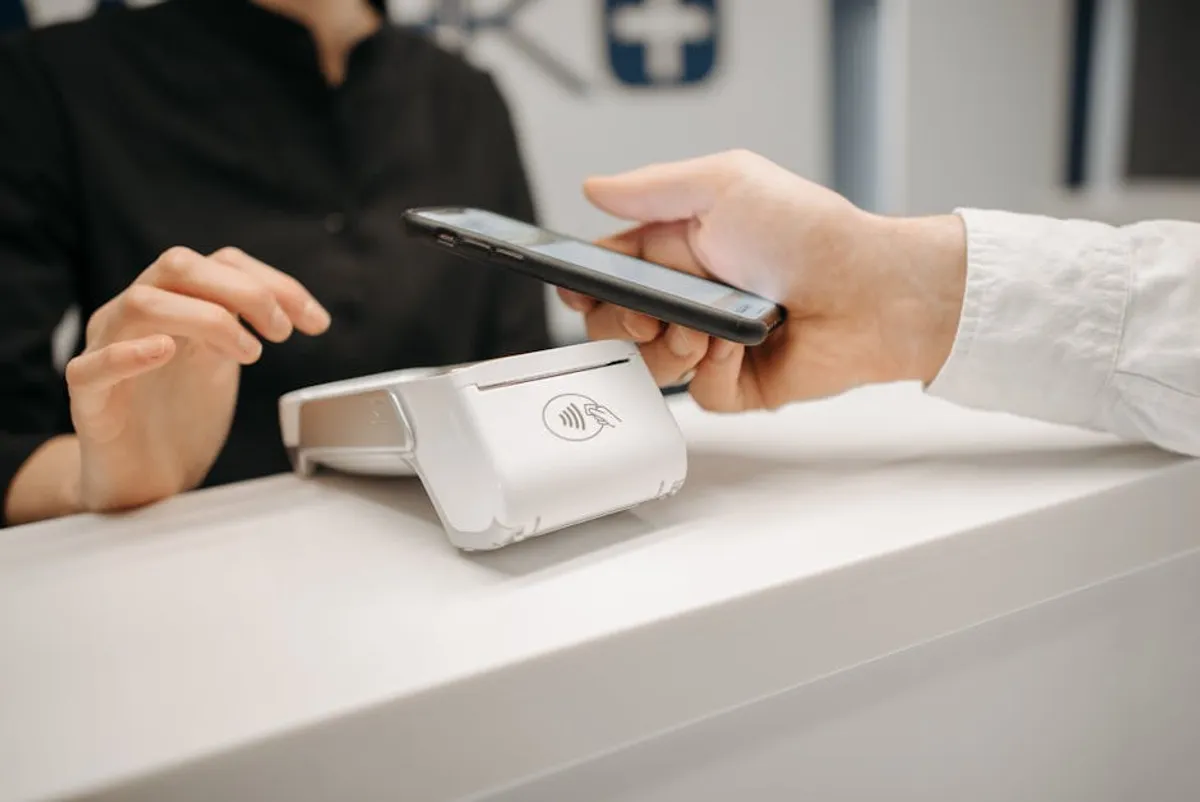
Walmart's primary mobile payment solution is its proprietary system, Walmart Pay. Introduced in 2015, Walmart Pay operates via a QR code system integrated into the Walmart app. Customers link their credit, debit, or gift cards to the app, then scan a QR code displayed at the point-of-sale (POS) terminal to complete a transaction. This method contrasts sharply with NFC-based tap-to-pay, which relies on a short-range wireless connection between a payment device (smartphone, smartwatch, or card) and an NFC-enabled terminal.
As of late 2023, Walmart generally does not support NFC tap-to-pay through third-party mobile wallets like Apple Pay, Google Pay, or Samsung Pay across the vast majority of its U.S. stores. This means customers cannot simply tap their phone or card at a Walmart checkout to complete a transaction using these services. While there have been limited trials of NFC acceptance in select Sam's Club locations and occasional reports of specific Walmart stores testing NFC, these remain exceptions rather than widespread policy.
Market Dynamics and Strategic Payment Decisions
Walmart's decision to prioritize Walmart Pay over broad NFC integration is rooted in several commercial and strategic objectives:
- Data Control: Walmart Pay allows the retailer to collect valuable customer data directly, including purchasing habits and payment preferences, which can be leveraged for personalized marketing, loyalty programs, and inventory management. When customers use third-party mobile wallets, much of this granular data remains with the payment network or the wallet provider.
- Transaction Cost Management: By steering customers towards Walmart Pay, which often links directly to debit cards or Walmart's own credit products, the company can potentially reduce interchange fees associated with credit card transactions processed through traditional networks.
- Customer Loyalty and App Engagement: Promoting Walmart Pay encourages customers to download and regularly use the Walmart app. This increases engagement with other app features like digital coupons, shopping lists, and order tracking, fostering a deeper connection with the brand.
- System Integration and Infrastructure: Implementing a proprietary system allows Walmart to control the entire payment flow, potentially simplifying integration with its existing POS infrastructure and back-end systems compared to accommodating multiple third-party NFC solutions.
The broader market, however, shows increasing consumer preference for NFC tap-to-pay due to its speed, convenience, and perceived security. Many competitors, including Target, Kroger, and most major grocery chains, have widely adopted NFC, creating a divergence in payment experiences across retail sectors.
Pro Tip: For retailers evaluating payment system upgrades, the strategic trade-off between data ownership and consumer convenience is central. While proprietary systems offer data insights and potential cost savings, neglecting widely adopted payment methods risks alienating a segment of the customer base that prioritizes speed and familiarity at checkout.
Price Drivers and Implementation Considerations
For retailers, the "price drivers" associated with payment system choices extend beyond simple transaction fees:
- Hardware Investment: Upgrading POS terminals to include NFC readers represents a significant capital expenditure, especially for a retailer with thousands of locations like Walmart.
- Software Development and Integration: Developing and maintaining a proprietary system like Walmart Pay requires substantial ongoing investment in software engineering, security protocols, and integration with existing retail management systems.
- Security and Compliance: Any payment system, proprietary or third-party, must adhere to stringent Payment Card Industry Data Security Standard (PCI DSS) compliance and continuously evolve to counter emerging security threats. This involves regular audits, encryption, and fraud prevention measures.
- Customer Education and Support: Introducing a new or non-standard payment method requires educating customers and training staff, incurring operational costs.
Walmart's early investment in Walmart Pay means its "price drivers" now lean towards maintaining and enhancing that system, rather than a full pivot to NFC which would entail new hardware and software integrations at scale.
Risks and Outlook for Payment Adoption
Walmart's current payment strategy carries specific risks:
- Customer Friction: Shoppers accustomed to NFC tap-to-pay at other retailers may find the lack of this option at Walmart inconvenient, potentially leading to frustration or choosing competitors for specific purchases.
- Perceived Lag: The absence of widely accepted NFC can position Walmart as less technologically advanced in the eyes of some consumers, particularly younger demographics who are early adopters of mobile payment technologies.
- Security Concerns (Perception): While Walmart Pay employs robust security features like tokenization, some users may inherently trust established third-party wallets more.
The outlook for payments at Walmart suggests a continued focus on Walmart Pay enhancements, potentially integrating more features like personalized offers or financial services. However, market pressure from widespread NFC adoption and evolving consumer expectations could prompt Walmart to reconsider its stance on third-party tap-to-pay in the long term. Any future shift would likely be a phased rollout, driven by a careful cost-benefit analysis of infrastructure upgrades versus potential gains in customer satisfaction and market share.
Navigating Walmart's Payment Landscape
For consumers, understanding Walmart's payment policies means being prepared to use traditional payment methods (cash, credit/debit cards), or specifically Walmart Pay via their app. For businesses and marketers, Walmart's approach highlights the strategic importance of payment systems not just as transactional tools, but as critical components of customer experience, data strategy, and competitive positioning. The choice between proprietary solutions and widespread third-party integration remains a complex decision with significant implications for market share and brand perception.
Frequently Asked Questions
Does Walmart accept Apple Pay or Google Pay?
No, Walmart typically does not accept Apple Pay, Google Pay, or other third-party NFC-based mobile payment systems in its U.S. stores. Customers must use traditional payment methods or Walmart's proprietary Walmart Pay app.
What payment methods are accepted at Walmart?
Walmart accepts cash, most major credit and debit cards (Visa, Mastercard, American Express, Discover), Walmart gift cards, and its own mobile payment system, Walmart Pay.
Is Walmart Pay secure to use?
Yes, Walmart Pay is designed with security in mind. It uses tokenization to protect card information, meaning your actual card number is not stored on your phone or transmitted during the transaction. Payments are completed via a QR code scan, and a PIN or biometric authentication is required to access the app.
Why doesn't Walmart use NFC tap-to-pay like other retailers?
Walmart's primary reason for not widely adopting NFC tap-to-pay is strategic. It prefers to direct customers to its proprietary Walmart Pay system to gain more control over transaction data, potentially reduce processing fees, and encourage engagement with its own mobile app and loyalty programs.