Navigating the cryptocurrency market requires a clear understanding of an asset's underlying technology, its economic drivers, and the inherent risks. For Hbar, the native token of the Hedera network, potential investors and market observers need a structured analysis beyond speculative price forecasts. This guide provides an examination of Hbar's market position, the specific factors that influence its valuation, the critical risks involved, and a balanced outlook to aid in informed decision-making.
Understanding Hbar and the Hedera Network
Hbar is the cryptocurrency powering the Hedera Hashgraph network, a distributed ledger technology (DLT) that distinguishes itself from traditional blockchain architectures. Hedera utilizes a directed acyclic graph (DAG) consensus mechanism, specifically the Hashgraph algorithm, to achieve high transaction throughput, low latency, and robust security. Unlike many public blockchains, Hedera operates under the governance of a council composed of global enterprises and organizations, aiming for stability and regulatory compliance.
The utility of Hbar within the Hedera ecosystem is multifaceted:
- Network Fees: Hbar is used to pay for transaction fees, smart contract execution, and file storage on the Hedera network. This utility ensures that as network adoption grows, demand for Hbar increases.
- Network Security: Hbar can be staked by network nodes to secure the network through a proof-of-stake consensus model. Staking rewards incentivize participation and contribute to network integrity.
- Governance: While the Hedera Governing Council currently oversees network operations, the long-term vision includes allowing Hbar holders to participate in certain governance decisions, aligning token holders with the network's future development.
The network's design focuses on enterprise-grade applications, offering predictable transaction costs and a focus on regulatory clarity, which are key differentiators in the DLT space.
Core Price Drivers for Hbar
Hbar's price dynamics are influenced by a combination of internal network developments and broader market forces. Understanding these drivers is crucial for assessing its potential trajectory.
Network Adoption and Utility Growth
The primary long-term driver for Hbar's value is the fundamental growth and utilization of the Hedera network. This includes:
- Transaction Volume: An increase in the number of transactions processed on the Hedera network directly translates to higher demand for Hbar to cover fees.
- dApp Development: The deployment and active use of decentralized applications (dApps) and services on Hedera, particularly those leveraging its unique features like the Hedera Token Service (HTS) or Hedera Consensus Service (HCS).
- Enterprise Partnerships: New collaborations with large corporations and institutions that integrate Hedera into their operations can bring significant transaction volume and visibility.
Technological Advancements and Ecosystem Development
Ongoing improvements to the Hedera protocol and expansion of its developer ecosystem contribute to its competitive edge and, consequently, Hbar's appeal:
- Protocol Upgrades: Enhancements to the Hashgraph algorithm, improvements in smart contract capabilities, or new service offerings (e.g., decentralized identity solutions).
- Developer Tools: The availability of robust SDKs, APIs, and developer support can lower the barrier to entry for new projects, fostering ecosystem growth.
Macroeconomic and Broader Crypto Market Factors
Like all digital assets, Hbar is not immune to external market conditions:
- Overall Crypto Market Trends: Bitcoin's performance and the general sentiment in the broader cryptocurrency market often dictate the direction of altcoins like Hbar.
- Regulatory Environment: Clarity or uncertainty in global cryptocurrency regulations can significantly impact investor confidence and capital flows into digital assets.
- Interest Rates and Inflation: Macroeconomic indicators, such as central bank interest rate decisions and inflation rates, can influence investor appetite for risk assets, including cryptocurrencies.
Key Risks Associated with Hbar Investment
While Hedera presents a unique technological proposition, potential investors must be aware of the inherent risks that could impact Hbar's price and long-term viability.
Pro Tip: Always conduct thorough due diligence on the project's whitepaper, team, and governance structure. Verify claims of partnerships and adoption through official channels. Relying solely on social media sentiment can lead to misinformed decisions.
- Regulatory Uncertainty: The DLT space is subject to evolving regulatory frameworks globally. Adverse regulations concerning digital assets or specific DLT structures could negatively impact Hedera's operations or Hbar's utility.
- Competition: Hedera operates in a highly competitive landscape with numerous other DLTs and blockchains vying for enterprise adoption and developer attention. Sustained innovation and network effects are crucial for maintaining its position.
- Technological Risks: Despite its robust design, any DLT can face unforeseen technical vulnerabilities, scalability challenges under extreme load, or competition from newer, more efficient technologies.
- Centralization Concerns: The Hedera Governing Council structure, while offering stability, has been a point of discussion regarding decentralization. While the long-term roadmap aims for greater decentralization, the current model may deter some investors who prioritize fully permissionless systems.
- Market Volatility: Cryptocurrencies are known for their extreme price volatility. Hbar's price can experience rapid fluctuations due to market sentiment, news events, or broader economic shifts, leading to significant capital risk.
Navigating the Hbar Price Outlook
Predicting precise future prices for any cryptocurrency, including Hbar, is speculative due to the multitude of variables involved. Instead, a more pragmatic approach involves assessing the project's long-term potential based on its fundamentals and market adoption.
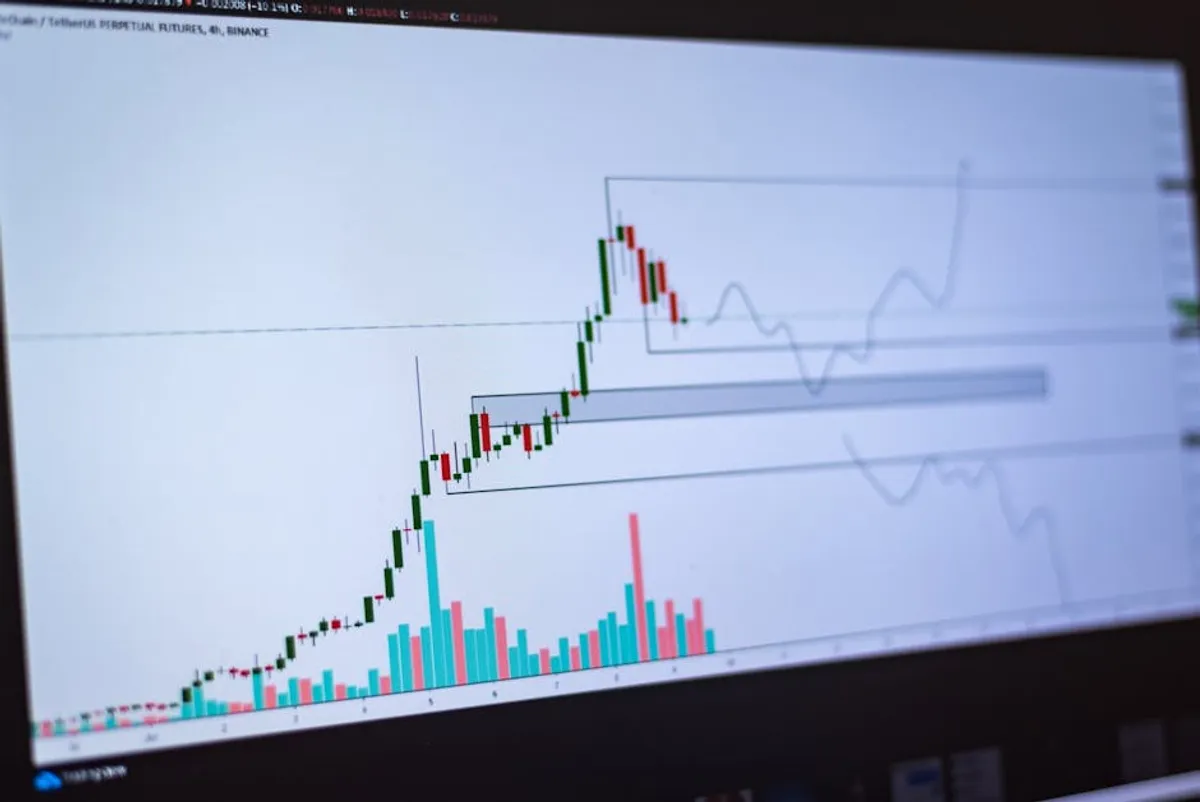
The outlook for Hbar is largely tied to the Hedera network's ability to secure significant enterprise adoption and maintain its technological edge. If Hedera continues to attract major corporations to build and transact on its network, the demand for Hbar as the utility token for network services will likely increase. Monitoring key metrics such as total value locked (TVL) in dApps, active accounts, and daily transaction counts provides a more concrete measure of network health and potential future demand for Hbar than short-term price charts.
Investors should focus on the project's roadmap execution, the expansion of its Governing Council, and its ability to deliver on its promise of an efficient, secure, and scalable DLT for enterprise use cases. A long-term perspective, coupled with a deep understanding of the project's value proposition, is essential.
Informed Decision-Making for Hbar
Investing in Hbar, like any digital asset, requires a disciplined approach. Begin by thoroughly researching the Hedera network's technology, its governance model, and its competitive advantages. Evaluate the project's whitepaper, team, and public communications. Consider the project's progress against its roadmap and its ability to attract and retain developers and enterprise users.
Assess your personal risk tolerance and investment horizon. Given the inherent volatility of the crypto market, allocate capital that you are prepared to lose. Diversifying your portfolio across various asset classes, including a measured exposure to digital assets like Hbar, can help mitigate risk. Regularly review market developments, regulatory changes, and Hedera's network performance to adjust your strategy as needed. A well-informed decision is grounded in data and a realistic understanding of both potential returns and risks.
Frequently Asked Questions
What is Hedera Hashgraph?
Hedera Hashgraph is a distributed ledger technology (DLT) that uses a unique consensus algorithm, Hashgraph, to achieve high transaction speeds, security, and low fees. It is governed by a council of global enterprises and organizations.
What drives the value of Hbar?
Hbar's value is primarily driven by the adoption and utility of the Hedera network, including transaction volume, dApp development, enterprise partnerships, and its role in network security and potential future governance.
Is Hbar a good investment?
Assessing Hbar as an investment requires individual research into its underlying technology, market adoption, competitive landscape, and personal risk tolerance. Its potential depends on the continued growth and utility of the Hedera network.
How does Hedera differ from traditional blockchain?
Hedera uses a Hashgraph (DAG-based) consensus mechanism instead of traditional blockchain's chain-of-blocks structure. This design aims for faster transaction finality, higher throughput, and more efficient resource utilization compared to many legacy blockchains.