Navigating the Bitcoin market requires a clear understanding of its immediate valuation, the forces shaping its movements, and the inherent volatility that defines digital assets. For professionals tracking market trends, developing investment strategies, or simply assessing the broader digital economy, a granular view of Bitcoin's price dynamics is essential. This guide outlines the core components influencing Bitcoin's value today, from fundamental economic principles to external market pressures, providing a framework for informed analysis.
Understanding Bitcoin's Current Market Position
Bitcoin's market position is a fluid aggregate of real-time transactions, investor sentiment, and global economic indicators. Its "price today" is not merely a number but a reflection of continuous supply-demand interactions across numerous exchanges. Unlike traditional equities, Bitcoin operates 24/7, leading to constant price discovery and immediate reactions to news and events.
Key Metrics for Today's Price
To grasp Bitcoin's immediate valuation, several metrics offer critical insights:
- Spot Price: The current market price at which Bitcoin can be bought or sold for immediate delivery. This is the most direct indicator.
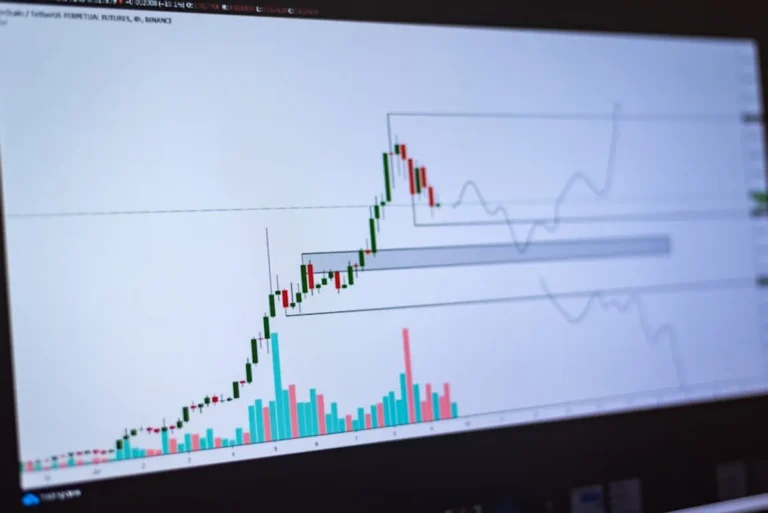
- Trading Volume: The total amount of Bitcoin traded over a specific period (e.g., 24 hours). High volume often indicates strong market interest and liquidity, validating price movements.
- Order Book Depth: The number of buy and sell orders at various price levels on an exchange. A deep order book suggests robust liquidity and less susceptibility to large price swings from single trades.
- Funding Rates (for perpetual futures): These rates indicate the cost of holding long or short positions in derivatives markets. Positive rates suggest more long positions (bullish sentiment), while negative rates indicate more short positions (bearish sentiment).
Market Capitalization and Volume
Bitcoin's market capitalization, calculated by multiplying its current price by the total number of coins in circulation, provides a scale of its overall market dominance. A higher market cap generally signifies greater stability and influence within the broader cryptocurrency ecosystem. Daily trading volume, meanwhile, reflects the level of activity and interest. Sustained high volume accompanying a price trend often lends credibility to that trend, indicating genuine market participation rather than isolated speculative moves.
Primary Drivers of Bitcoin Price Movements
Bitcoin's price is influenced by a complex interplay of factors, ranging from its intrinsic design to external economic and geopolitical events. Understanding these drivers is crucial for predicting potential shifts.
Supply and Demand Dynamics
Fundamental economics apply directly to Bitcoin. Its fixed supply cap of 21 million coins, combined with a decreasing block reward (halving events), creates inherent scarcity. Demand is driven by adoption as a store of value, a medium of exchange, or a speculative asset. Increased institutional investment, retail adoption, or integration into financial products (like spot ETFs) directly boosts demand, pushing prices upward. Conversely, large sell-offs by whales or a general decline in investor confidence can reduce demand and exert downward pressure.
Macroeconomic Factors and Global Events
Bitcoin often reacts to global macroeconomic conditions. During periods of high inflation or economic uncertainty, some investors view Bitcoin as a hedge against traditional financial systems or fiat currency devaluation, driving demand. Conversely, rising interest rates or a strong dollar can make riskier assets like Bitcoin less attractive. Geopolitical events, such as conflicts or major policy changes, can also trigger flight-to-safety capital flows, sometimes benefiting Bitcoin as a perceived neutral asset.
Technological Developments and Network Upgrades
The underlying technology and ongoing development of the Bitcoin network also play a role. Significant upgrades, such as the Taproot activation, can enhance privacy, efficiency, and smart contract capabilities, potentially increasing its utility and appeal. Conversely, any perceived vulnerabilities, network congestion issues, or delays in crucial development could negatively impact sentiment.
Regulatory Landscape and Institutional Adoption
Regulatory clarity, or lack thereof, significantly impacts Bitcoin's price. Favorable regulations, such as the approval of spot Bitcoin exchange-traded funds (ETFs) in major markets, open doors for wider institutional and retail investment, providing legitimacy and easier access. Conversely, restrictive policies, bans, or increased scrutiny from governments can trigger significant price corrections due to reduced market access and increased operational risk for businesses in the crypto space.
Identifying Key Risks in Bitcoin Investment
While Bitcoin offers unique opportunities, it also carries substantial risks that require careful consideration.
Volatility and Market Manipulation
Bitcoin is notorious for its price volatility, experiencing rapid and significant price swings within short periods. This can lead to substantial gains but also considerable losses. The relatively less regulated nature of some crypto markets compared to traditional finance can also expose it to potential market manipulation tactics, such as pump-and-dump schemes or wash trading, though major exchanges have implemented measures to combat these.
Regulatory Uncertainty and Security Concerns
The evolving regulatory environment remains a persistent risk. A sudden shift in government policy or a crackdown on digital assets in a major economy could send shockwaves through the market. Furthermore, while the Bitcoin network itself is highly secure, individual users face risks related to custodial services, exchange hacks, phishing attacks, and the loss of private keys, which can result in irreversible loss of funds.
Technological Obsolescence and Competition
Although Bitcoin pioneered the blockchain space, the rapid pace of technological innovation means there's always a theoretical risk of a superior, more efficient, or more widely adopted digital currency emerging. While Bitcoin's network effect and brand recognition are immense, new technological paradigms or significant advancements in competing blockchain networks could, over a very long horizon, present a challenge.
Navigating Bitcoin's Future Outlook
Predicting Bitcoin's exact future price is speculative, but understanding the factors influencing its short-term and long-term trajectory can help frame expectations.
Short-Term Price Influences
In the short term, Bitcoin's price is often driven by news cycles, technical analysis patterns, and immediate investor sentiment. Events like major exchange listings, celebrity endorsements, or specific economic data releases can cause rapid price movements. Technical indicators, such as moving averages, support/resistance levels, and trading volume patterns, are frequently used by traders to anticipate immediate price action.
Long-Term Growth Potential
The long-term outlook for Bitcoin often centers on its role as "digital gold" and a decentralized store of value. Proponents point to its scarcity, censorship resistance, and growing network effect as foundations for continued appreciation. Increasing global adoption, further institutional integration, and its potential as a hedge against traditional financial instability are often cited as key drivers for sustained growth over years and decades.
Pro Tip: Avoid making investment decisions based solely on short-term price fluctuations or social media sentiment. Instead, conduct thorough due diligence, understand the underlying technology and market dynamics, and consider your personal risk tolerance before engaging with Bitcoin or any digital asset.
Practical Considerations for Engaging with Bitcoin
For those considering interaction with the Bitcoin market, a disciplined approach is paramount. Focus on understanding the fundamental value proposition and the macro environment rather than chasing daily gains. Develop a clear investment thesis, whether it's for long-term holding, strategic trading, or simply as a diversification asset. Regularly review market developments, regulatory updates, and technological advancements to keep your perspective current. Always prioritize security best practices for holding digital assets, including using strong, unique passwords, two-factor authentication, and considering hardware wallets for significant holdings.
Frequently Asked Questions
What is Bitcoin's "halving" event?
Bitcoin halving is a pre-programmed event where the reward for mining new blocks is cut in half, reducing the rate at which new Bitcoins are introduced into circulation. This occurs approximately every four years and is designed to maintain scarcity.
How does institutional adoption affect Bitcoin's price?
Institutional adoption, such as investments by large corporations, pension funds, or the launch of Bitcoin ETFs, brings significant capital and legitimacy to the market. This increased demand and broader acceptance can lead to upward price pressure and reduced volatility over time.
Is Bitcoin a safe investment?
Bitcoin is a volatile and high-risk asset. While it offers potential for significant returns, it also carries substantial risks including price swings, regulatory uncertainty, and security vulnerabilities. It is not considered a "safe" investment in the traditional sense.
Where can I track Bitcoin's real-time price?
Real-time Bitcoin prices can be tracked on numerous cryptocurrency exchanges and financial data websites. These platforms provide live price feeds, trading volumes, and historical data to help monitor market movements.