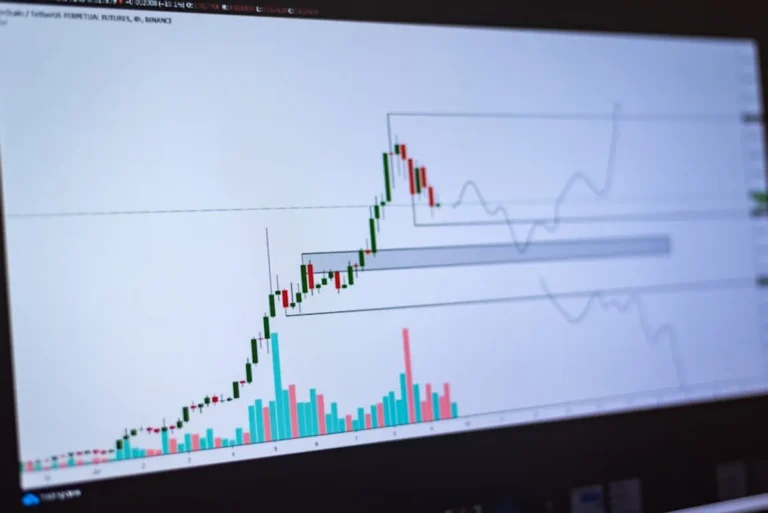

The Dollar Index (DXY) serves as a critical benchmark for the US dollar's value against a basket of six major world currencies. Understanding its mechanics, primary drivers, inherent risks, and future outlook is essential for businesses engaged in international trade, investment, or any form of global financial exposure. The DXY provides a real-time snapshot of the dollar's relative strength or weakness, directly influencing everything from import/export costs and commodity prices to corporate earnings and investment portfolio performance. For market participants, interpreting DXY movements allows for more informed strategic decisions regarding hedging, asset allocation, and market positioning.
Market Guide: Understanding the Dollar Index (DXY)
The Dollar Index, officially known as the US Dollar Index (USDX, DXY, or DX), measures the value of the United States dollar relative to a basket of foreign currencies. Established in 1973 after the dissolution of the Bretton Woods Agreement, its value is calculated against a weighted geometric average of six currencies:
- Euro (EUR): 57.6%
- Japanese Yen (JPY): 13.6%
- Pound Sterling (GBP): 11.9%
- Canadian Dollar (CAD): 9.1%
- Swedish Krona (SEK): 4.2%
- Swiss Franc (CHF): 3.6%
The DXY's value is quoted as an index number, with a base value of 100 set in March 1973. A DXY value of 105, for instance, indicates the dollar has appreciated 5% against the basket since its inception. This index acts as a global benchmark, reflecting the dollar's purchasing power and its role as the world's primary reserve currency. Its movements are often indicative of broader global economic sentiment, with a rising DXY typically signaling capital flight to safe-haven assets or anticipation of higher US interest rates.
Key Price Drivers of the Dollar Index
The DXY's value is not static; it responds dynamically to a confluence of economic, monetary, and geopolitical factors. Identifying these drivers is crucial for forecasting potential shifts.
Monetary Policy and Interest Rate Differentials
The Federal Reserve's monetary policy decisions are arguably the most influential factor. When the Federal Reserve raises interest rates or signals a hawkish stance (e.g., through quantitative tightening), it increases the attractiveness of dollar-denominated assets. This heightened demand for USD by international investors seeking higher yields strengthens the dollar and, consequently, the DXY. Conversely, dovish signals or rate cuts tend to weaken the dollar. The differential between US interest rates and those of other major central banks (like the European Central Bank or Bank of Japan) directly impacts currency flows.
Economic Data Releases
Robust economic data from the United States typically supports a stronger dollar. Key indicators include:
- Gross Domestic Product (GDP) growth rates
- Inflation figures (Consumer Price Index, Producer Price Index)
- Employment statistics (Non-Farm Payrolls, unemployment rate)
- Retail sales and consumer confidence reports
- Manufacturing and services sector surveys (ISM PMIs)
Better-than-expected data suggests a healthier US economy, potentially leading to higher interest rates and increased investment, thereby boosting the DXY. Weaker data often has the opposite effect.
Geopolitical Events and Risk Sentiment
In times of global uncertainty, political instability, or market turmoil, the US dollar frequently acts as a safe-haven currency. Investors often flock to the perceived safety and liquidity of US Treasuries and other dollar-denominated assets during crises, driving up demand for the dollar and pushing the DXY higher. Examples include major geopolitical conflicts, financial market crashes, or widespread economic downturns in other regions.
Commodity Prices
There is often an inverse relationship between the DXY and commodity prices, particularly crude oil and gold. Since most major commodities are priced in US dollars, a stronger dollar makes them more expensive for holders of other currencies, potentially dampening demand and pushing prices down. Conversely, a weaker dollar can make commodities cheaper, stimulating demand and price increases.
Pro Tip: Do not analyze the Dollar Index in isolation. Its movements are intrinsically linked to the economic performance and monetary policies of the constituent currencies, especially the Euro. A significant weakening of the Euro due to European economic woes can artificially inflate the DXY, even if the US economy isn't exceptionally strong. Always consider the relative strength or weakness of the basket currencies.
Associated Risks and Volatility Factors
While the DXY offers a broad view of dollar strength, its volatility introduces specific risks for businesses and investors.
Inflationary Pressures
Persistent high inflation in the US can erode the dollar's purchasing power over time. While the Federal Reserve might respond with rate hikes that initially strengthen the dollar, sustained inflation without corresponding wage growth or productivity gains can lead to long-term currency depreciation. For businesses, this means higher input costs for imported goods and potential erosion of profit margins.
Recessionary Fears and Policy Divergence
A significant US economic recession could weaken the dollar as investment flows out of riskier assets. However, a global recession might see the dollar strengthen as a safe haven. The key risk lies in the divergence of economic performance and monetary policy among major economies. If other central banks tighten policy more aggressively than the Fed, or if their economies outperform the US, the DXY could face downward pressure.
Fiscal Policy and Debt Concerns
US fiscal policy, including government spending, taxation, and debt levels, can influence the dollar's stability. Concerns over the US national debt or political stalemates regarding the debt ceiling can introduce uncertainty, potentially leading to capital outflows and DXY weakness. Large fiscal deficits, if perceived as unsustainable, can undermine confidence in the dollar.
Outlook: Interpreting DXY for Future Decisions
The DXY serves as a forward-looking indicator for various market segments. Businesses and investors can leverage its movements to anticipate changes and strategize accordingly.
For Businesses:
- Exporters: A strong DXY makes US goods more expensive for foreign buyers, potentially reducing export volumes and revenues. A weak DXY has the opposite effect, boosting competitiveness.
- Importers: A strong DXY makes imported goods cheaper in dollar terms, reducing costs. A weak DXY increases import costs, impacting profit margins.
- Multinational Corporations: DXY fluctuations affect the translation of foreign earnings into USD. A strong dollar can reduce the dollar value of overseas profits.
For Investors:
- Commodities: A rising DXY typically suggests headwinds for commodity prices.
- Emerging Markets: A strong dollar can make dollar-denominated debt more expensive for emerging market economies, potentially triggering capital outflows.
- Equities: US companies with significant international revenue exposure may see their earnings impacted by currency translation when the DXY is strong.
Monitoring the DXY's trend, rather than daily fluctuations, provides a clearer picture of long-term economic shifts and allows for proactive risk management and strategic adjustments.
Integrating DXY Analysis into Market Strategy
For any entity with international exposure, incorporating DXY analysis into broader market intelligence is not merely advantageous, but essential. Regularly track the DXY in conjunction with global economic calendars, central bank announcements, and geopolitical developments. Develop scenario plans for both a strengthening and weakening dollar environment, outlining how each scenario might impact revenue streams, cost structures, and investment portfolios. Utilize currency hedging strategies where appropriate to mitigate adverse movements. The DXY is a powerful barometer; understanding its signals can translate directly into more resilient and profitable commercial operations.
Frequently Asked Questions
What currencies make up the Dollar Index (DXY)?
The DXY is composed of six major world currencies: the Euro (EUR), Japanese Yen (JPY), Pound Sterling (GBP), Canadian Dollar (CAD), Swedish Krona (SEK), and Swiss Franc (CHF).
How does the DXY impact commodity prices?
Since most major commodities are priced in US dollars, a stronger DXY makes them more expensive for buyers using other currencies, generally leading to lower demand and prices. Conversely, a weaker DXY tends to make commodities cheaper, potentially boosting demand and prices.
Is a strong dollar always good for the US economy?
Not necessarily. While a strong dollar makes imports cheaper and can help control inflation, it also makes US exports more expensive, potentially hurting export-oriented industries and reducing the competitiveness of US goods and services in global markets.
Where can I track the Dollar Index?
The Dollar Index (DXY) can be tracked on most financial news websites, trading platforms, and economic data providers under its ticker symbol 'DXY' or 'USDX'.