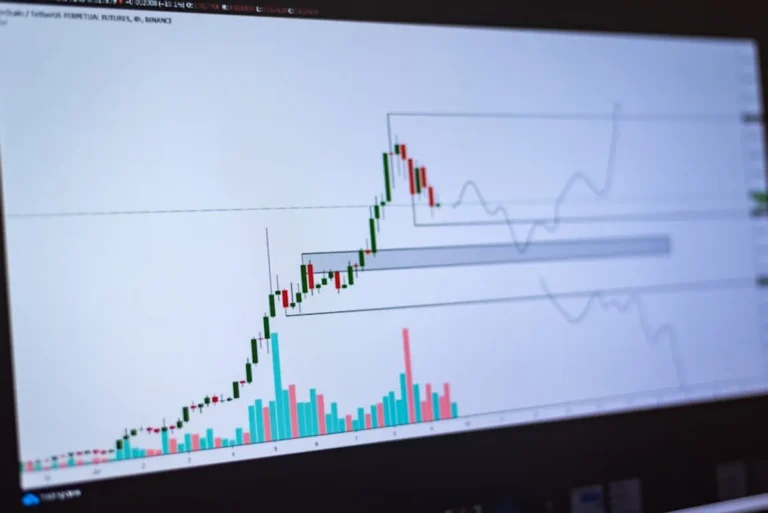
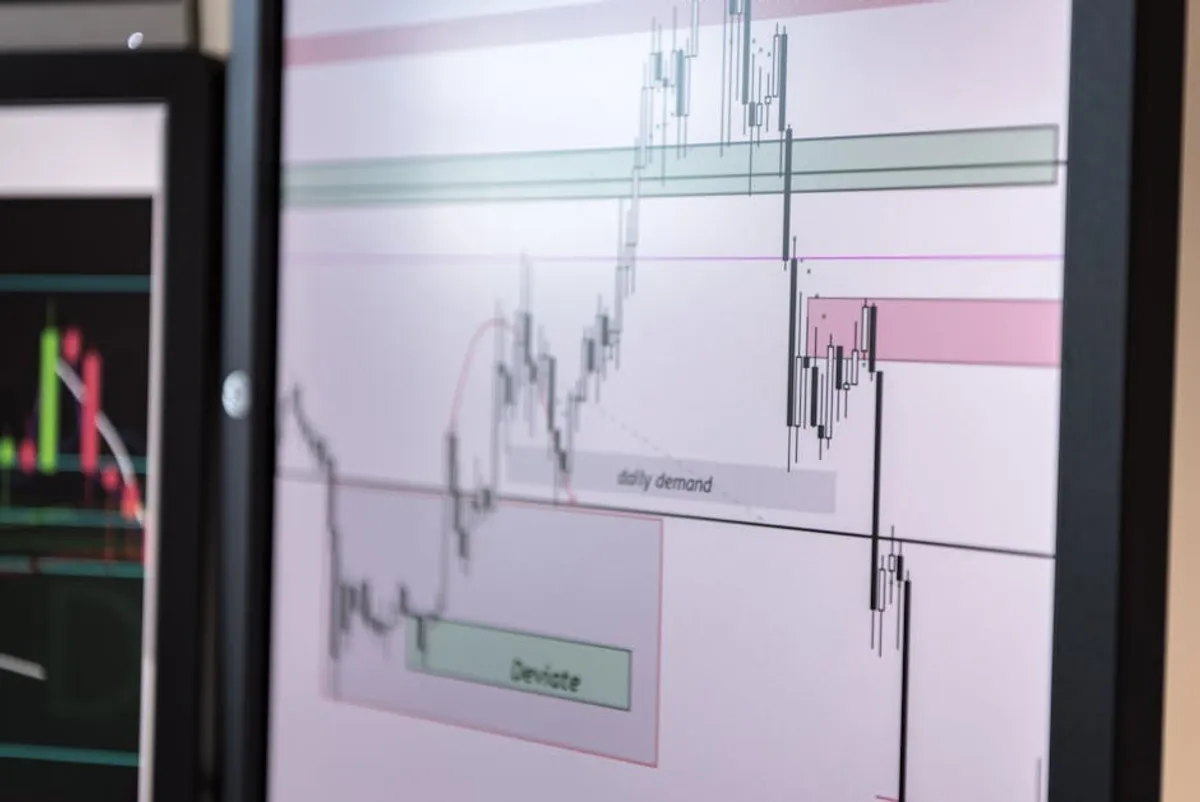
Dow Jones Futures contracts offer market participants a mechanism to speculate on the future price of the Dow Jones Industrial Average (DJIA) or to hedge existing equity portfolios. These financial derivatives serve as a critical barometer for market sentiment before the regular trading session begins, influencing pre-market activity and often setting the tone for the day’s trading. For investors and traders, understanding the dynamics of Dow Jones Futures is not merely academic; it is essential for anticipating market movements, managing risk exposure, and identifying potential entry or exit points in a highly liquid market. This guide outlines the core components of Dow Jones Futures, dissects their primary price drivers, identifies inherent risks, and provides a framework for interpreting their outlook.
Understanding Dow Jones Futures
Dow Jones Futures are agreements to buy or sell a specific quantity of the underlying Dow Jones Industrial Average index at a predetermined price on a future date. Traded primarily on the Chicago Mercantile Exchange (CME) Group, these contracts allow for exposure to the performance of 30 large, publicly owned companies based in the United States. Unlike the spot DJIA, which represents the current market value, futures prices reflect market participants' expectations of the index's value at contract expiration.
Key characteristics:
- Leverage: Futures trading involves significant leverage, meaning a relatively small capital outlay can control a large contract value. This amplifies both potential gains and losses.
- Liquidity: Dow Jones Futures are among the most actively traded index futures, ensuring tight bid-ask spreads and efficient execution for large orders.
- Price Discovery: Futures markets operate nearly 24 hours a day, providing continuous price discovery even when the main stock exchanges are closed. This makes them a leading indicator for the subsequent stock market open.
- Hedging: Institutional investors and portfolio managers use futures to hedge against potential declines in their equity holdings, offsetting losses in their physical stock portfolios with gains in short futures positions.
Key Price Drivers
The price of Dow Jones Futures is influenced by a confluence of macroeconomic factors, corporate developments, and geopolitical events. Monitoring these drivers is crucial for forecasting short- to medium-term market direction.
Economic Indicators
Macroeconomic data releases consistently move futures prices. Key indicators include:
- Inflation Data: Consumer Price Index (CPI) and Producer Price Index (PPI) reports directly impact expectations for interest rates and corporate profitability.
- Employment Reports: Non-farm payrolls, unemployment rates, and wage growth figures signal economic health and consumer spending capacity.
- Interest Rate Decisions: Announcements from central banks, particularly the Federal Reserve, on benchmark interest rates significantly affect borrowing costs and investment sentiment.
- GDP Growth: Gross Domestic Product reports indicate the overall economic output and growth trajectory of the nation.
- Manufacturing and Services PMIs: Purchasing Managers' Index data for manufacturing and services sectors reflect business activity and economic expansion or contraction.
Corporate Earnings and Guidance
The collective performance and outlook of the 30 companies within the DJIA directly influence futures prices. Strong earnings reports, positive forward guidance, or unexpected profit warnings from component companies can trigger significant movements.
Geopolitical Events and Global News
Major international events, political instability, trade disputes, and global economic shifts can create uncertainty or opportunity, leading to rapid adjustments in futures prices as market participants re-evaluate risk.
Pro Tip: Pay close attention to the futures market's reaction to economic data releases. A divergence between futures prices and underlying economic fundamentals can signal a shift in market sentiment or an overreaction that may correct itself during the regular trading session.
Inherent Risks and Volatility
Trading Dow Jones Futures carries distinct risks that demand careful management.
Leverage Risk
While leverage offers amplified returns, it equally amplifies losses. A small adverse price movement can result in substantial capital depletion, potentially exceeding the initial margin deposit.
Market Volatility
Futures markets can experience extreme volatility, especially around economic announcements or unexpected news events. Rapid price swings can lead to stop-loss orders being triggered at unfavorable prices or significant margin calls.
Liquidity Risk
Though generally highly liquid, extreme market conditions can occasionally lead to temporary liquidity dislocations, widening spreads and making it difficult to enter or exit positions at desired prices.
Gap Risk
Futures markets can open significantly higher or lower than their previous close, particularly after overnight news, creating "gaps" that can bypass stop-loss orders and result in larger-than-anticipated losses.
Market Outlook and Analytical Approaches
Developing an outlook for Dow Jones Futures involves both technical and fundamental analysis.
Technical Analysis
Traders use historical price and volume data to identify patterns, support/resistance levels, and trend indicators. Common tools include moving averages, Bollinger Bands, Relative Strength Index (RSI), and MACD (Moving Average Convergence Divergence) to project future price movements.
Fundamental Analysis
This approach involves evaluating the intrinsic value of the underlying index based on economic data, corporate performance, and geopolitical factors. Fundamental analysts focus on the long-term drivers of the economy and corporate earnings to form a directional bias.
Sentiment Analysis
Gauging overall market sentiment—whether bullish or bearish—is also critical. This can involve tracking investor surveys, options market activity (put/call ratios), and news headlines to understand the prevailing mood.
Strategic Futures Trading
Effective engagement with Dow Jones Futures requires a clear strategy, robust risk management, and continuous market monitoring.
For short-term traders: Focus on intraday volatility, reacting to economic releases, and exploiting technical patterns. Tight stop-losses and precise entry/exit points are paramount.
For long-term investors/hedgers: Utilize futures to manage portfolio risk or gain broader market exposure. This often involves correlating futures positions with existing equity holdings and adjusting positions based on macroeconomic shifts.
Regardless of the approach, maintaining adequate margin, setting realistic profit targets, and adhering to strict risk-reward ratios are foundational to navigating the futures market successfully.
Frequently Asked Questions
What is the difference between Dow Jones Futures and the Dow Jones Industrial Average (DJIA)?
The DJIA is a stock market index representing the current value of 30 large U.S. companies. Dow Jones Futures are derivative contracts whose value is based on the future expected price of the DJIA, allowing trading almost 24 hours a day and serving as a forward-looking indicator.
Who trades Dow Jones Futures?
A diverse group of market participants trades Dow Jones Futures, including institutional investors and hedge funds for hedging and speculation, individual traders seeking leveraged exposure, and arbitrageurs exploiting price discrepancies between the futures and underlying index.
How do economic reports affect Dow Jones Futures prices?
Economic reports provide critical information about the health and direction of the economy. Positive reports (e.g., strong GDP, low unemployment) generally lead to higher futures prices, anticipating improved corporate earnings and economic growth, while negative reports typically cause prices to decline.
Can Dow Jones Futures predict the stock market's opening?
Yes, Dow Jones Futures are widely considered a strong indicator for the opening direction of the U.S. stock market. Their nearly 24-hour trading activity reflects global sentiment and breaking news, often setting the tone for the regular trading session before it begins.