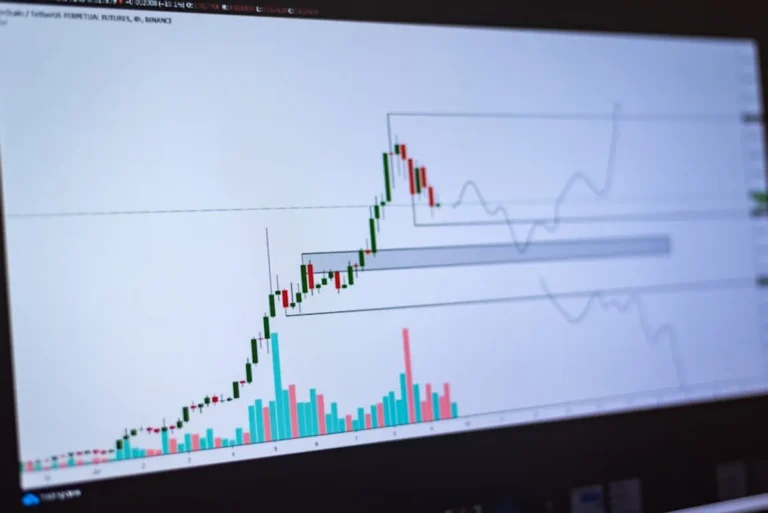

Navigating the ETH market requires a clear understanding of its fundamental mechanisms and external influences. For investors, developers, or market observers, comprehending the factors that drive its value is crucial for informed decision-making. This guide outlines the key components of ETH's market behavior, its primary price catalysts, inherent risks, and potential future trajectories, providing a framework for analyzing its position within the broader digital asset ecosystem.
Understanding ETH Market Dynamics
ETH serves as the native cryptocurrency of the Ethereum blockchain, functioning as both a store of value and the "gas" fee required to execute transactions and smart contracts on the network. Its market valuation is a complex interplay of supply, demand, utility, and speculative interest. Unlike traditional equities, ETH's value is intrinsically linked to the health and activity of its underlying decentralized network.
ETH's Role and Valuation Metrics
The utility of ETH extends beyond simple transactional currency. It underpins the entire decentralized finance (DeFi) ecosystem, powers non-fungible tokens (NFTs), and secures the network through staking. Key metrics for assessing its market health include:
- Market Capitalization: The total value of all ETH in circulation, calculated by multiplying the current price per unit by the circulating supply. This provides a snapshot of its overall size relative to other digital assets.
- Trading Volume: The total amount of ETH traded over a specific period, indicating market liquidity and interest. Higher volumes generally suggest stronger market participation and price discovery.
- Network Activity: Metrics such as daily active addresses, transaction count, and gas usage reflect the demand for Ethereum's computational resources, directly impacting ETH's utility and perceived value.
- Staked ETH: The amount of ETH locked up in staking contracts, which reduces the circulating supply and contributes to network security. As more ETH is staked, the available supply for trading decreases, potentially influencing price.
Primary Price Drivers for ETH
ETH's price movements are influenced by a diverse set of factors, ranging from technological advancements within the Ethereum ecosystem to global macroeconomic trends.
Network Upgrades and Development
Significant protocol upgrades, such as the transition to a Proof-of-Stake consensus mechanism (often referred to as "The Merge" and subsequent updates like "Shapella" and "Dencun"), have historically acted as major price catalysts. These upgrades aim to improve scalability, security, and energy efficiency, enhancing the network's long-term viability and attracting more users and developers. Successful implementation can boost confidence and drive demand.
Decentralized Application (dApp) Growth and Utility
The expansion of the Ethereum ecosystem, particularly in DeFi, NFTs, and Web3 gaming, directly impacts ETH's utility. As more dApps are built and used, the demand for ETH to pay gas fees and interact with smart contracts increases. Projects like Uniswap, Aave, and OpenSea drive substantial transaction volume, creating continuous demand for ETH.
Supply Dynamics and Monetary Policy
Ethereum's monetary policy, particularly the implementation of EIP-1559, introduced a mechanism to burn a portion of transaction fees, making ETH a deflationary asset under certain network conditions. This reduction in supply, combined with the increasing amount of ETH locked in staking, can exert upward pressure on its price, especially if demand remains constant or grows.
Macroeconomic Environment and Investor Sentiment
Like other risk assets, ETH's price is sensitive to broader macroeconomic conditions. Factors such as inflation rates, interest rate decisions by central banks, and global economic stability can influence investor appetite for volatile assets. Positive sentiment in traditional markets often correlates with increased interest in digital assets, while periods of economic uncertainty can lead to capital flight from riskier investments.
Regulatory Landscape
Government policies and regulatory clarity (or lack thereof) significantly impact the digital asset market. Favorable regulations can encourage institutional adoption and provide legal certainty for businesses building on Ethereum. Conversely, restrictive regulations or outright bans in major economies can introduce uncertainty and dampen investor enthusiasm.
Pro Tip: When evaluating ETH's price drivers, distinguish between short-term speculative movements and long-term fundamental growth. While news cycles can cause immediate volatility, sustained price appreciation often aligns with tangible network development, increased utility, and robust ecosystem expansion.
Key Risks to ETH's Valuation
Despite its potential, ETH is subject to several risks that can affect its price stability and growth trajectory.
Regulatory Uncertainty and Scrutiny
The evolving regulatory environment remains a significant risk. Different jurisdictions may classify ETH differently (e.g., security vs. commodity), leading to varied tax implications, trading restrictions, and compliance burdens. A lack of global regulatory harmonization creates a fragmented market and potential legal challenges for participants.
Network Congestion and Scalability Challenges
While upgrades are ongoing, periods of high network activity can still lead to increased transaction fees (gas prices) and slower confirmation times. These issues can deter users and developers, pushing them towards alternative Layer 1 blockchains that offer lower costs and faster processing. Continued competition from these "Ethereum killers" presents a long-term challenge.
Security Vulnerabilities and Exploits
The decentralized nature of Ethereum means that smart contracts and dApps are constantly targets for exploits and hacks. While the core Ethereum protocol has a strong security record, vulnerabilities in third-party applications built on the network can lead to significant financial losses and erode user trust, indirectly impacting ETH's perceived value.
Market Volatility and Speculative Pressure
ETH, like most digital assets, is prone to extreme price volatility driven by speculative trading, market sentiment, and large institutional movements. Sudden price swings can result in rapid capital depreciation, posing risks for short-term traders and those with limited risk tolerance. The market's susceptibility to "whale" movements and social media narratives adds to this instability.
Outlook and Future Considerations
The long-term outlook for ETH is largely tied to the continued development and adoption of the Ethereum network.
Continued Technological Evolution
Future upgrades, including sharding and further improvements to data availability and execution, aim to significantly enhance Ethereum's scalability and reduce transaction costs. Successful implementation of these roadmapped features could solidify its position as the leading platform for decentralized applications, attracting a new wave of users and enterprises.
Institutional Adoption and Integration
Growing interest from traditional financial institutions, including investment funds, banks, and corporations, suggests a potential for increased institutional capital inflow. Products like ETH exchange-traded funds (ETFs) and institutional staking services could provide more accessible avenues for large-scale investment, further legitimizing the asset class and potentially stabilizing its price.
Expansion of Use Cases
Beyond DeFi and NFTs, Ethereum is poised for expansion into new use cases such as enterprise blockchain solutions, digital identity, and decentralized autonomous organizations (DAOs). The ability of the network to adapt and facilitate these emerging technologies will be critical for sustained demand and long-term value appreciation.
Navigating the ETH Market
Engaging with the ETH market demands a continuous assessment of its technical roadmap, ecosystem growth, and external economic forces. Investors and developers should prioritize understanding the network's utility, the impact of its monetary policy, and the evolving regulatory landscape. Diversification and a clear understanding of risk tolerance remain essential for informed participation in this dynamic asset class. Constant vigilance regarding network security and market sentiment will further aid in decision-making.
Frequently Asked Questions
What is the primary utility of ETH?
ETH's primary utility is to power the Ethereum network as its native cryptocurrency, used for paying transaction fees (gas), securing the network through staking, and serving as collateral or a medium of exchange within decentralized applications (dApps).
How do network upgrades impact ETH's price?
Network upgrades, such as the transition to Proof-of-Stake, typically aim to improve scalability, security, and efficiency. Successful implementations can boost investor confidence, increase network utility, and potentially lead to price appreciation by enhancing demand and reducing supply through mechanisms like fee burning and staking.
What are the main risks for ETH investors?
Key risks include regulatory uncertainty, potential network congestion and high transaction fees during peak usage, security vulnerabilities in dApps, and high market volatility driven by speculation and macroeconomic factors.
Is ETH considered a good long-term investment?
Whether ETH is a good long-term investment depends on individual financial goals and risk tolerance. Its potential is linked to the continued growth and adoption of the Ethereum network, successful implementation of future upgrades, and favorable regulatory developments. Investors should conduct thorough due diligence and consider its inherent volatility.