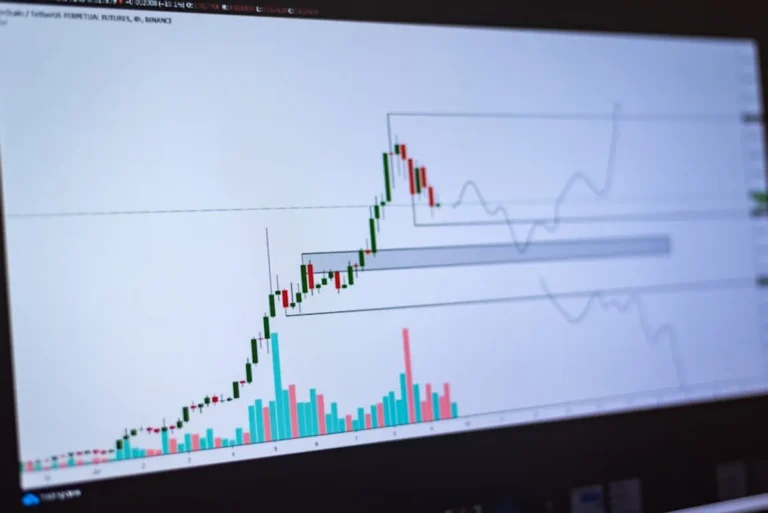

The FTSE index family serves as a critical barometer for the UK equity market, influencing investment decisions, economic forecasts, and content strategies for financial publishers. Understanding its structure, the forces that drive its movements, the inherent risks, and how to interpret its outlook is fundamental for anyone engaging with UK financial market data or creating related commercial content.
Understanding the FTSE Index Family
The FTSE Group, jointly owned by the London Stock Exchange (LSE) and Pearson, develops and manages a comprehensive suite of indices. These indices track the performance of various segments of the UK and global equity markets, providing benchmarks for fund managers and a reference point for market analysis.
FTSE 100: The Blue-Chip Benchmark
The FTSE 100 Index, often simply called the "Footsie," represents the 100 largest UK-listed companies by market capitalization on the London Stock Exchange. Its composition is reviewed quarterly, ensuring it reflects the current landscape of leading UK and international businesses that choose to list in London. While domiciled in the UK, many of its constituent companies generate significant portions of their revenue internationally, making the FTSE 100 sensitive to global economic conditions and currency fluctuations, particularly the strength of the British Pound.
- Purpose: Serves as the primary benchmark for large-cap UK equity performance.
- Composition: 100 largest companies by market capitalization.
- Revenue Exposure: Significant international revenue exposure for many constituents.
FTSE 250: Mid-Cap Performance Indicator
The FTSE 250 Index comprises the 250 next-largest companies after the FTSE 100. These mid-cap companies are generally more domestically focused than their FTSE 100 counterparts. Consequently, the FTSE 250 is often considered a more accurate reflection of the health of the UK economy itself, as its constituents are more directly impacted by domestic consumer spending, business investment, and government policy.
Key differentiator: Stronger correlation with UK economic performance due to higher domestic revenue exposure.
Broader FTSE Indices
Beyond the FTSE 100 and 250, the FTSE All-Share Index encompasses approximately 98% of the UK's market capitalization, providing a comprehensive view of the entire UK equity market. Other specialized indices track specific sectors, market segments (e.g., small-cap), or investment styles, offering granular insights for targeted analysis.
Key Drivers of FTSE Performance
FTSE index movements are not arbitrary; they respond to a confluence of factors, both domestic and global. Understanding these drivers is crucial for interpreting market behavior and forecasting potential shifts.
Macroeconomic Indicators
Economic data provides the foundational context for market performance. Key indicators include:
- Gross Domestic Product (GDP): Reflects overall economic growth. Strong GDP typically signals higher corporate earnings potential.
- Inflation Rates: Influences central bank policy (interest rates) and corporate input costs. High, persistent inflation can erode purchasing power and profit margins.
- Interest Rates: Set by the Bank of England, interest rates impact borrowing costs for companies and consumers, affecting investment, spending, and the attractiveness of equities versus bonds.
- Employment Data: Low unemployment and rising wages suggest robust consumer demand, supporting economically sensitive sectors.
- Retail Sales: A direct measure of consumer spending, particularly relevant for FTSE 250 companies with significant UK exposure.
Corporate Fundamentals
The health of individual companies within the indices directly translates to overall index performance. Factors include:
- Earnings Reports: Quarterly and annual earnings releases, profit guidance, and dividend announcements drive stock price movements.
- Mergers & Acquisitions (M&A): Significant M&A activity can revalue companies and sectors, impacting index composition and sentiment.
- Sector-Specific Trends: Performance of dominant sectors (e.g., financials, energy, pharmaceuticals in the FTSE 100) can heavily influence the broader index.
Global and Geopolitical Events
Given the international exposure of many FTSE 100 companies, global events exert significant influence.
- Global Economic Growth: Performance of major economies (US, Eurozone, China) affects demand for products and services from UK-listed multinationals.
- Geopolitical Stability: Wars, trade disputes, and political crises can introduce uncertainty, increase risk premiums, and disrupt supply chains.
- Commodity Prices: Particularly oil and gas, impact energy companies (major FTSE 100 constituents) and industrial input costs.
Currency Impacts
The value of the British Pound (GBP) against other major currencies directly affects FTSE 100 companies. A weaker Pound can boost the reported earnings of companies that generate significant revenue in foreign currencies, making their UK-denominated profits appear larger. Conversely, a stronger Pound can have the opposite effect.
Pro Tip: When analyzing FTSE 100 performance, always consider the prevailing GBP exchange rate. A rising index alongside a falling Pound can indicate that international earnings are inflating reported values rather than purely domestic strength.
Navigating Risks in FTSE Markets
Investing or analyzing FTSE-related data requires an understanding of the inherent risks that can impact market stability and returns.
Market Volatility and Economic Cycles
Equity markets are inherently volatile. Economic downturns, recessions, or unexpected shocks (e.g., pandemics) can lead to sharp declines across indices. Conversely, periods of rapid growth can be followed by corrections. Understanding market cycles – expansion, peak, contraction, trough – helps contextualize short-term fluctuations.
Sector-Specific and Geopolitical Risks
Concentration risk exists within specific sectors. For instance, the FTSE 100 has significant exposure to financial services, energy, and mining. Downturns or regulatory changes in these sectors can disproportionately affect the index. Geopolitical events, such as Brexit or international conflicts, introduce political risk, impacting investor confidence and trade relationships.
Regulatory and Liquidity Considerations
Changes in UK or international financial regulations can affect the profitability and operational freedom of listed companies. Liquidity risk, while generally lower for large-cap FTSE constituents, can become a factor during extreme market stress, making it harder to execute trades at desired prices.
Developing an Outlook for the FTSE
Formulating an outlook for the FTSE involves synthesizing the various drivers and risks into a coherent narrative, rather than predicting specific price targets. This comprehensive FTSE market guide and outlook helps investors navigate the complexities of the UK's primary stock market index.
Analytical Frameworks
Analysts often employ a combination of top-down and bottom-up approaches. Top-down analysis considers macroeconomic trends, interest rate expectations, and global events to form a broad market view. Bottom-up analysis focuses on individual company fundamentals, sector performance, and earnings forecasts to build an aggregate picture.
Monitoring Key Signals
Regularly tracking economic calendars for data releases, central bank announcements, and corporate reporting schedules provides actionable insights. Investor sentiment indicators, such as volatility indices (e.g., VIX for US markets, though UK equivalents exist), can also signal periods of heightened fear or complacency.
Strategic Considerations for Engaging with FTSE
For financial content creators and market participants, understanding the FTSE is not just academic; it informs strategic decisions:
- Content Relevance: Tailor content to current market drivers. If inflation is high, focus on sectors resilient to rising costs. If the Pound is volatile, explain its impact on export-heavy FTSE 100 firms.
- Audience Targeting: Recognize that investors interested in the FTSE 100 may have different risk appetites and information needs than those focused on the FTSE 250.
- Data Interpretation: Avoid presenting raw index movements without context. Explain *why* the market moved, linking it to specific economic data, corporate news, or geopolitical events.
- Long-Term vs. Short-Term: Differentiate between short-term market noise driven by daily news and longer-term trends shaped by fundamental economic shifts.
Frequently Asked Questions
What is the primary difference between the FTSE 100 and FTSE 250?
The FTSE 100 comprises the 100 largest UK-listed companies by market capitalization, often with significant international revenue. The FTSE 250 contains the next 250 largest companies, which tend to be more domestically focused, making it a stronger indicator of the UK economy's health.
How does the British Pound's value affect the FTSE 100?
A weaker British Pound can boost the reported earnings of FTSE 100 companies that generate substantial revenue in foreign currencies. When these foreign earnings are converted back to Sterling, they appear larger, which can positively impact the index even if underlying performance is unchanged.
What are the main risks when considering FTSE-related investments?
Key risks include market volatility driven by economic cycles, sector-specific downturns, geopolitical instability, and changes in regulatory environments. Individual company performance and overall investor sentiment also contribute to risk profiles.