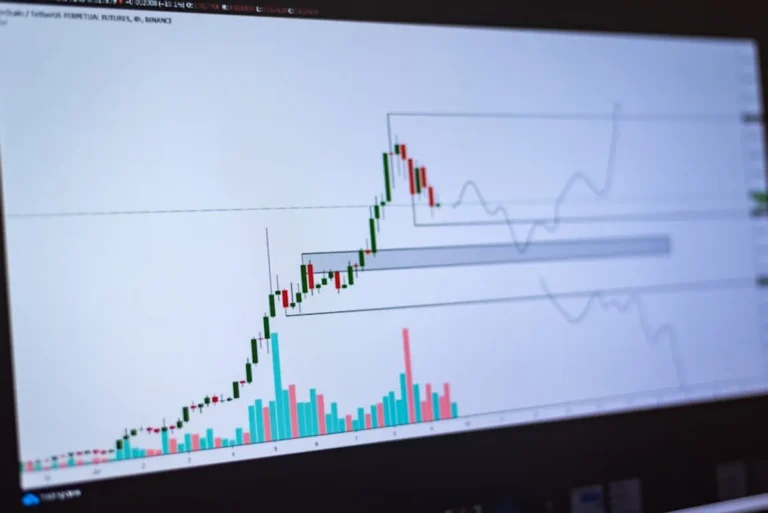

For businesses, developers, and investors evaluating distributed ledger technologies (DLTs), Hbar, the native cryptocurrency of the Hedera Hashgraph network, presents a distinct alternative to traditional blockchain architectures. Understanding its market position, the specific factors driving its valuation, inherent risks, and long-term outlook is critical for making informed decisions regarding its adoption, strategic integration, or portfolio inclusion.
Hbar's Market Position and Hedera Hashgraph Architecture
Hbar functions as the utility token for the Hedera network, facilitating transactions, smart contract execution, and file storage. Hedera distinguishes itself from conventional blockchains through its use of the Hashgraph consensus algorithm, which offers asynchronous Byzantine Fault Tolerance (aBFT). This architecture is designed for high transaction throughput, low latency, and predictable transaction fees, positioning Hedera as an enterprise-grade DLT solution.
The network's governance model further differentiates it. Hedera is overseen by a decentralized Governing Council comprising up to 39 diverse global organizations, each with term limits and equal voting rights. This structure aims to provide stability, prevent single points of failure, and ensure strategic direction aligns with broad enterprise needs, fostering a perception of reliability and regulatory compliance.
Key architectural differentiators include:
- Hashgraph Consensus: Achieves aBFT, ensuring transaction finality and security even with malicious nodes, without requiring proof-of-work or proof-of-stake.
- Fixed Supply: Hbar has a maximum supply of 50 billion tokens, designed to introduce scarcity over time as adoption increases.
- Low and Predictable Fees: Transaction fees are fixed in USD terms and paid in Hbar, offering cost stability for enterprise applications.
- Energy Efficiency: The Hashgraph algorithm is significantly less energy-intensive than proof-of-work systems, appealing to sustainability-conscious organizations.
Primary Price Drivers for Hbar
Hbar's market valuation is influenced by a combination of fundamental network adoption, macroeconomic trends, and specific developmental milestones. These drivers often interrelate, creating complex price movements.
Enterprise Adoption and Use Cases
The core value proposition of Hedera lies in its appeal to enterprises. Increased adoption by Governing Council members or other large organizations for real-world applications directly translates to higher network usage and demand for Hbar. Use cases span:
- Payments and Micropayments: Facilitating high-volume, low-cost transactions.
- Supply Chain Tracking: Providing verifiable data provenance and transparency.
- Tokenization: Issuing and managing digital assets, including stablecoins and NFTs.
- Fraud Mitigation: Enhancing data integrity and preventing manipulation.
- Decentralized Identifiers (DIDs): Building secure digital identity solutions.
Growth in these areas, particularly those requiring high throughput and low fees, directly increases the utility and demand for Hbar as the network's gas token.
Network Development and Ecosystem Growth
Ongoing development of the Hedera network, including new services, SDKs, and integrations, expands its capabilities and attracts more developers and projects. Key developments such as the Hedera Token Service (HTS) or Hedera Smart Contract Service (HSCS) enhance the network's functionality, making it more attractive for diverse applications. The growth of decentralized applications (dApps) built on Hedera also contributes to transaction volume and Hbar demand.
Regulatory Clarity and Macroeconomic Factors
The broader regulatory landscape for cryptocurrencies impacts investor sentiment across the entire market, including Hbar. Favorable regulations or clearer guidelines can reduce uncertainty and encourage institutional participation. Conversely, restrictive regulations can suppress demand. General macroeconomic conditions, such as interest rates, inflation, and global economic stability, also affect risk appetite for digital assets.
Pro Tip: Monitor public announcements from the Hedera Governing Council and official Hedera channels for new partnerships, significant network upgrades, and enterprise solution deployments. These often precede shifts in network activity and Hbar demand.
Key Risks and Challenges for Hbar
While Hedera offers distinct advantages, potential risks and challenges warrant careful consideration for those evaluating Hbar.
Centralization Concerns
Despite its decentralized consensus, Hedera's Governing Council structure has faced criticism regarding its perceived level of centralization compared to fully permissionless blockchains. The limited number of council members, while providing stability, can be viewed as a barrier to broader decentralization, potentially affecting long-term adoption by purist decentralized finance (DeFi) communities.
Competition from Other DLTs
The DLT landscape is highly competitive, with numerous blockchains and directed acyclic graph (DAG) based systems vying for enterprise adoption. Established players like Ethereum (with its transition to proof-of-stake) and newer, high-throughput alternatives continuously evolve, presenting ongoing competition for market share and developer mindshare.
Regulatory Uncertainty
The evolving regulatory environment for digital assets globally poses a persistent risk. Changes in how Hbar or other tokens are classified (e.g., as securities) could impact their availability, trading, and the operational models of applications built on Hedera.
Market Volatility
Like all cryptocurrencies, Hbar is subject to significant price volatility driven by speculative trading, market sentiment, and broader macroeconomic events. This volatility can impact the stability of applications requiring predictable token values or pose risks for investors.
Outlook and Future Trajectory
The future trajectory of Hbar is largely tied to the continued execution of Hedera's enterprise-focused strategy and its ability to secure widespread adoption for its unique architecture.
Continued growth in real-world use cases, particularly from Governing Council members leveraging the network for their core operations, will be a primary indicator of success. The expansion of the Hedera ecosystem, including developer tools, grants, and community initiatives, is crucial for fostering a vibrant application layer. As more dApps choose Hedera for its performance and cost predictability, the underlying demand for Hbar as a utility token is expected to strengthen.
Furthermore, Hedera's commitment to environmental sustainability through its energy-efficient consensus mechanism and carbon-negative operations may increasingly appeal to environmentally conscious enterprises and investors. This positioning could provide a competitive edge in a market where environmental impact is gaining importance.
Evaluating Hbar's Potential
Understanding Hbar requires a comprehensive view of its technical foundation, governance, and market dynamics. For businesses, assessing Hedera's suitability involves evaluating its ability to meet specific transaction throughput, cost, and security requirements. For investors, it means weighing the potential for enterprise adoption and network growth against the inherent risks of a developing technology and volatile market. Due diligence involves tracking network statistics, governance decisions, and the progress of major projects utilizing the Hedera platform.
Frequently Asked Questions
What is Hedera Hashgraph?
Hedera Hashgraph is a public distributed ledger technology (DLT) platform designed for enterprise applications, utilizing a unique Hashgraph consensus algorithm for high transaction speeds, low fees, and security, governed by a council of global organizations.
How does Hbar differ from other cryptocurrencies?
Hbar is the native utility token of Hedera Hashgraph, which uses the Hashgraph consensus algorithm instead of traditional blockchain. This provides distinct advantages in speed, cost predictability, and energy efficiency, aiming for enterprise-grade performance and governance.
What are Hbar's primary use cases?
Hbar is used to pay for network services like transactions, smart contract execution, and file storage on the Hedera network. Its primary use cases include payments, micropayments, supply chain tracking, tokenization of assets, and decentralized identity solutions for businesses.
What factors should be considered when evaluating Hbar's potential?
When evaluating Hbar, consider the rate of enterprise adoption, growth in network transaction volume, new partnerships, ongoing network development, regulatory clarity for DLTs, and the broader cryptocurrency market sentiment.