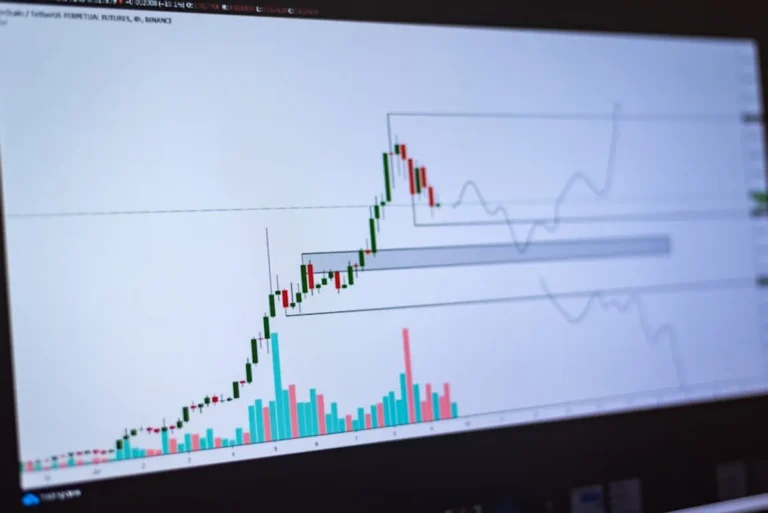

Understanding the potential trajectory of XRP requires a structured approach, dissecting its core utility, the forces that propel its market value, and the inherent risks. For anyone considering engagement with XRP, whether as a long-term holder, a short-term trader, or simply an observer of the digital asset space, a clear framework for evaluating its future is essential. This guide outlines the critical components influencing XRP's price, offering a grounded perspective on its market dynamics and what factors warrant close attention.
XRP's Foundational Utility and Market Function
XRP functions primarily as a bridge currency designed for rapid, low-cost cross-border payments and remittances. Its underlying technology, the XRP Ledger (XRPL), facilitates transactions in seconds, a significant advantage over traditional banking systems that can take days. The asset's primary commercial application is within RippleNet, particularly its On-Demand Liquidity (ODL) service, which uses XRP to enable instant settlement for financial institutions moving funds across different fiat currencies without pre-funding destination accounts. This utility underpins its value proposition, distinguishing it from general-purpose cryptocurrencies. Network adoption by financial institutions and payment providers directly correlates with demand for XRP, as its use reduces operational costs and improves transaction speed for these entities.
Principal Drivers of XRP Price Movement
Several distinct factors exert influence over XRP's market price, often acting in concert or opposition. Recognizing these drivers is crucial for interpreting market behavior and anticipating potential shifts.
Regulatory Developments and Legal Clarity
The most significant and historically impactful driver for XRP has been its regulatory status, particularly the ongoing legal proceedings with the U.S. Securities and Exchange Commission (SEC). The outcome of this lawsuit directly affects XRP's classification in the United States, which in turn impacts its availability on exchanges, institutional adoption, and overall market perception. Favorable legal rulings or a clear regulatory framework tend to boost investor confidence and market liquidity, while adverse developments can trigger sell-offs and restrict market access. This specific regulatory uncertainty has often overshadowed other fundamental drivers.
Adoption and Strategic Partnerships
The expansion of Ripple's ecosystem and the adoption of XRP for its intended use cases are fundamental price drivers. This includes:
- On-Demand Liquidity (ODL) Corridors: Growth in the number and volume of ODL corridors, where XRP is used for real-time cross-border settlements, directly increases demand.
- Enterprise Partnerships: New collaborations with financial institutions, payment processors, and corporate entities that leverage Ripple's technology or XRP itself.
- Developer Activity: The vibrancy of the XRP Ledger's developer community, leading to new applications, decentralized exchanges, and tokenization projects built on the XRPL.
Each new integration or partnership demonstrates increased utility and network effect, strengthening XRP's value proposition.
Broader Cryptocurrency Market Sentiment
XRP, like most digital assets, does not exist in isolation. Its price movements are often influenced by the overall sentiment and trends within the wider cryptocurrency market. A bullish trend for Bitcoin (BTC) or Ethereum (ETH) frequently pulls other altcoins, including XRP, upward. Conversely, market-wide corrections or FUD (fear, uncertainty, doubt) can lead to widespread sell-offs, irrespective of XRP-specific news. Macroeconomic factors, such as inflation rates, interest rate changes, and global economic stability, also play a role in shaping investor appetite for risk assets like cryptocurrencies.
Supply Dynamics and Tokenomics
XRP has a fixed maximum supply of 100 billion tokens, with a significant portion held in escrow by Ripple. The scheduled release of these tokens from escrow, while designed to be predictable, can influence market supply. Ripple's management of these releases and their subsequent use (e.g., for ODL, partnerships, or operational costs) affects the circulating supply and, by extension, the price. Transparency around these releases and their strategic deployment is critical for market confidence.
Pro Tip: When evaluating XRP's price potential, prioritize verifiable adoption metrics over speculative news. Focus on concrete partnerships, transaction volumes on ODL corridors, and regulatory clarity rather than unsubstantiated rumors. These tangible indicators provide a more reliable basis for assessment.
Inherent Risks Associated with XRP Investment
While XRP presents specific utility, it also carries distinct risks that market participants must acknowledge.
Continued Regulatory Uncertainty
Despite progress, the global regulatory landscape for digital assets remains fragmented and evolving. Future regulatory actions, even outside the U.S., could impact XRP's operations or market access. A definitive, unfavorable ruling in the ongoing SEC lawsuit or new restrictive legislation could severely curtail its utility and market value. This regulatory overhang remains a primary concern for institutional investors.
Market Volatility and Competition
The cryptocurrency market is inherently volatile, and XRP is no exception. Sudden price swings are common, driven by news events, market sentiment shifts, or large trading volumes. Furthermore, competition from other blockchain networks and traditional payment systems continues to intensify. While XRP offers specific advantages, alternative solutions could emerge that challenge its market position or diminish its competitive edge.
Centralization Concerns
Critics often point to the perceived centralization of XRP, given Ripple's significant holdings and influence over the asset's ecosystem. While the XRP Ledger is decentralized, Ripple's role in its development, marketing, and token distribution remains substantial. This concentration of influence, though arguably necessary for enterprise adoption, can be a point of concern for some investors who prioritize fully decentralized systems.
Navigating XRP's Trajectory
Forecasting XRP's future trajectory involves weighing its established utility and growing adoption against persistent regulatory hurdles and market risks. A sustained positive trend would likely stem from increased clarity in its legal status, significant expansion of ODL usage, and broader integration into global financial infrastructure. Conversely, prolonged regulatory battles or a failure to demonstrate widespread commercial adoption beyond current levels could constrain its growth. Market participants should monitor Ripple's quarterly reports, regulatory updates, and announcements regarding new partnerships or product developments to gauge its progress.
Practical Considerations for XRP Market Participants
For those engaging with the XRP market, a disciplined approach is essential. This involves staying informed about regulatory shifts, tracking Ripple's strategic announcements, and understanding the broader macroeconomic environment. Diversifying portfolios and avoiding over-reliance on a single asset class are fundamental risk management practices. The unique position of XRP, straddling both traditional finance and decentralized technology, demands a nuanced understanding of both sectors.
Frequently Asked Questions
What is the primary use case for XRP?
XRP's primary use case is facilitating rapid, low-cost cross-border payments and remittances, particularly through Ripple's On-Demand Liquidity (ODL) service.
How does the SEC lawsuit affect XRP's price?
The SEC lawsuit introduces regulatory uncertainty, impacting XRP's availability on exchanges, institutional adoption, and overall market sentiment, leading to significant price volatility based on legal developments.
Is XRP a good long-term investment?
The long-term viability of XRP depends heavily on regulatory clarity, continued adoption by financial institutions, and its ability to maintain a competitive edge against other payment solutions and digital assets.
What factors should I monitor for XRP price predictions?
Key factors to monitor include regulatory news, Ripple's partnerships and ODL volume growth, overall cryptocurrency market trends, and macroeconomic indicators.